In 2025, digital innovation in the port of Rotterdam moved decisively from exploration to tangible impact. What began as pilots and prototypes is now shaping real operational change, demonstrating how data, technology, and collaboration can strengthen the port’s performance and sustainability. We would like to take you through the developments of the past year and the lessons we have learnt.
Smart digital infrastructure
CASE STUDY 6
Ship
to shore
CASE STUDY 5
Future energy system
CASE STUDY 4
Feeder
and berth
pilot
CASE STUDY 3
Fairway traffic planning
CASE STUDY 2
Dynamic
planning
CASE STUDY 1
Port Performance Insights 2025
INFOGRAPHIC
We like to share some examples of projects we have been working on
REFLECTIONS

Data is at the heart, sharing is key
Our journey toward a real-time connected port is accelerating. The vision: an efficient, resilient ecosystem where companies thrive with a lower carbon footprint. The critical step is data sharing—companies exchanging essential elements to unlock collective benefits. In 2025, willingness to share has grown as parties start to see clearer returns. Yet, the challenge is global as well as local. Through corridor collaborations with other ports, we explore standardized APIs for ETA/ATA exchange and ship-to-shore initiatives that stream vessel data directly to land systems. These efforts lay the foundation for a digitally integrated network that transforms global maritime logistics.
Port performance: towards AI-supported decision making
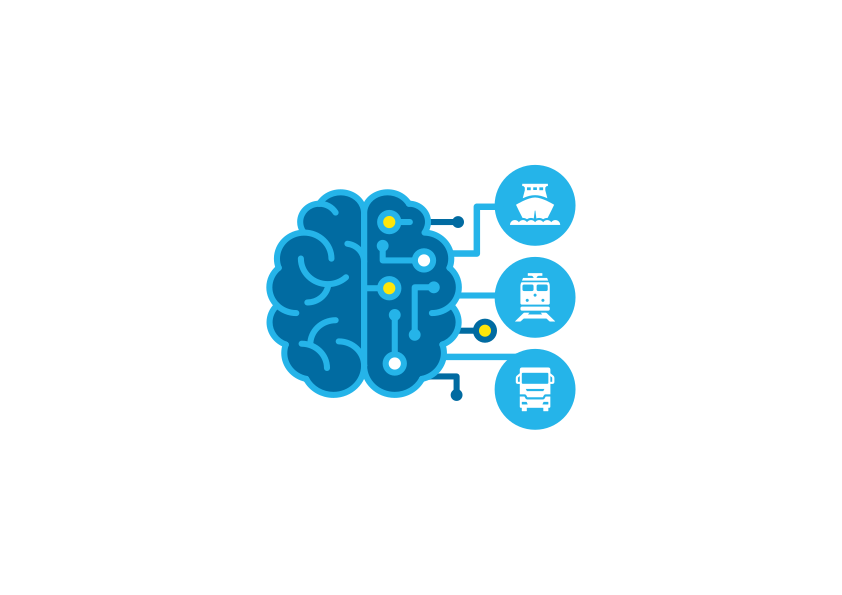
Building on our performance insights focus from last year, we are now ready to share externally as you can see in Port Performance Insights 2025. In 2025, Port Performance has evolved into a strategic pillar for reducing logistics waiting times and energy costs in the industrial cluster. Planning remains the heartbeat of port operations—covering fairways, feeders, and multimodal flows by train, truck, and barge. AI has become a popular theme, and we are actively exploring how it can support decision-making in these areas. Beyond logistics, AI is entering the industrial cluster through digital solutions like project Starlings, which optimizes energy use between industrial assets. These innovations are not just about technology—they are about creating a smarter, greener port ecosystem that balances efficiency with sustainability.
Community-driven testing
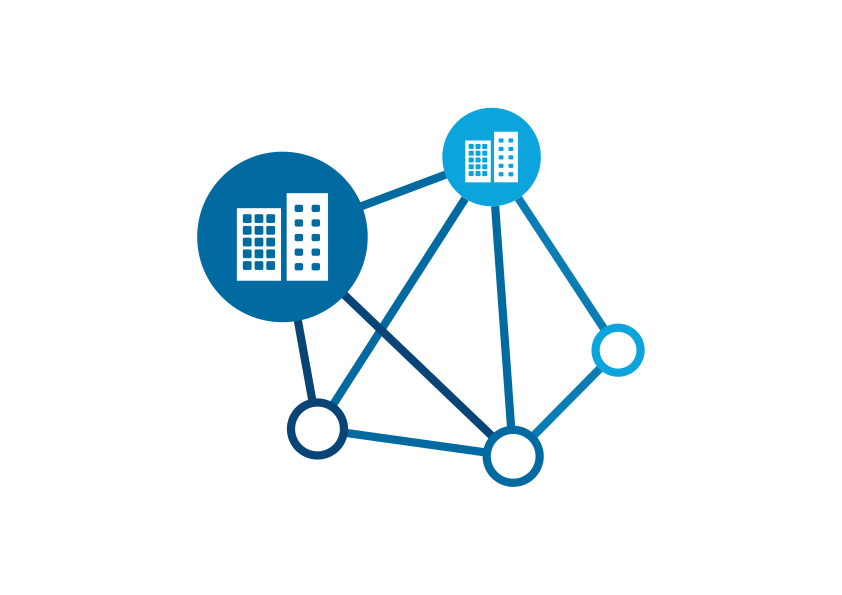
2025 has been a year of learning by doing—together. Improving the port can only happen when all actors and companies operating in the port work toward shared goals. The aim is simple: digital tools must translate into tangible changes in daily work; captains, planners, operators, machinists, and truck drivers doing something different. The initiatives test digital solutions in real operational settings, revealing their impact and helping us understand what it takes to scale (and what not!). We’ve particularly invested in building communities in our industrial cluster, such as the Botlek, and in bulk shipping bringing local and global players into collaborative pilots. This community-driven approach ensures innovation is grounded in reality with benefits for everyone.
Scroll down
In 2025, digital innovation in the port of Rotterdam moved decisively from exploration to tangible impact. What began as pilots and prototypes is now shaping real operational change, demonstrating how data, technology, and collaboration can strengthen the port’s performance and sustainability. We would like to take you through the developments of the past year and the lessons we have learnt.
Ship
to shore
CASE STUDY 5
Smart infrastructure
CASE STUDY 6
Future energy system
CASE STUDY 4
Feeder
and berth pilot
CASE STUDY 3
Fairway traffic planning
CASE STUDY 2
Dynamic
planning
CASE STUDY 1
Port Performance Insights 2025
INFOGRAPHIC
Data is at the heart, sharing is key
Our journey toward a real-time connected port is accelerating. The vision: an efficient, resilient ecosystem where companies thrive with a lower carbon footprint. The critical step is data sharing - companies exchanging essential elements to unlock collective benefits. In 2025, willingness to share has grown as parties start to see clearer returns. Yet, the challenge is global as well as local. Through corridor collaborations with other ports, we explore standardized APIs for ETA/ATA exchange and ship-to-shore initiatives that stream vessel data directly to land systems. These efforts lay the foundation for a digitally integrated network that transforms global maritime logistics.
We like to share some examples of projects we have been working on
Community-driven testing
2025 has been a year of learning by doing—together. Improving the port can only happen when all actors and companies operating in the port work toward shared goals. The aim is simple: digital tools must translate into tangible changes in daily work; captains, planners, operators, machinists, and truck drivers doing something different. The initiatives test digital solutions in real operational settings, revealing their impact and helping us understand what it takes to scale (and what not!). We’ve particularly invested in building communities in energy and in bulk shipping bringing local and global players into collaborative pilots. This community-driven approach ensures innovation is grounded in reality with benefits for everyone.
Port performance: towards AI-supported decision making
Building on our performance insights focus from last year, we are now ready to share externally as you can see in Port Performance Insights 2025. In 2025, Port Performance has evolved into a strategic pillar for reducing logistics waiting times and energy costs in the industrial cluster. Planning remains the heartbeat of port operations—covering fairways, feeders, and multimodal flows by train, truck, and barge. AI has become a popular theme, and we are actively exploring how it can support decision-making in these areas. Beyond logistics, AI is entering the industrial cluster through digital solutions like project Starlings, which optimizes energy use between industrial assets. These innovations are not just about technology—they are about creating a smarter, greener port ecosystem that balances efficiency with sustainability.