SPECIAL
‘Don’t look at the container but at what it contains’
In conversation with Bart Kuipers and Hanna Stelzel
Scroll down
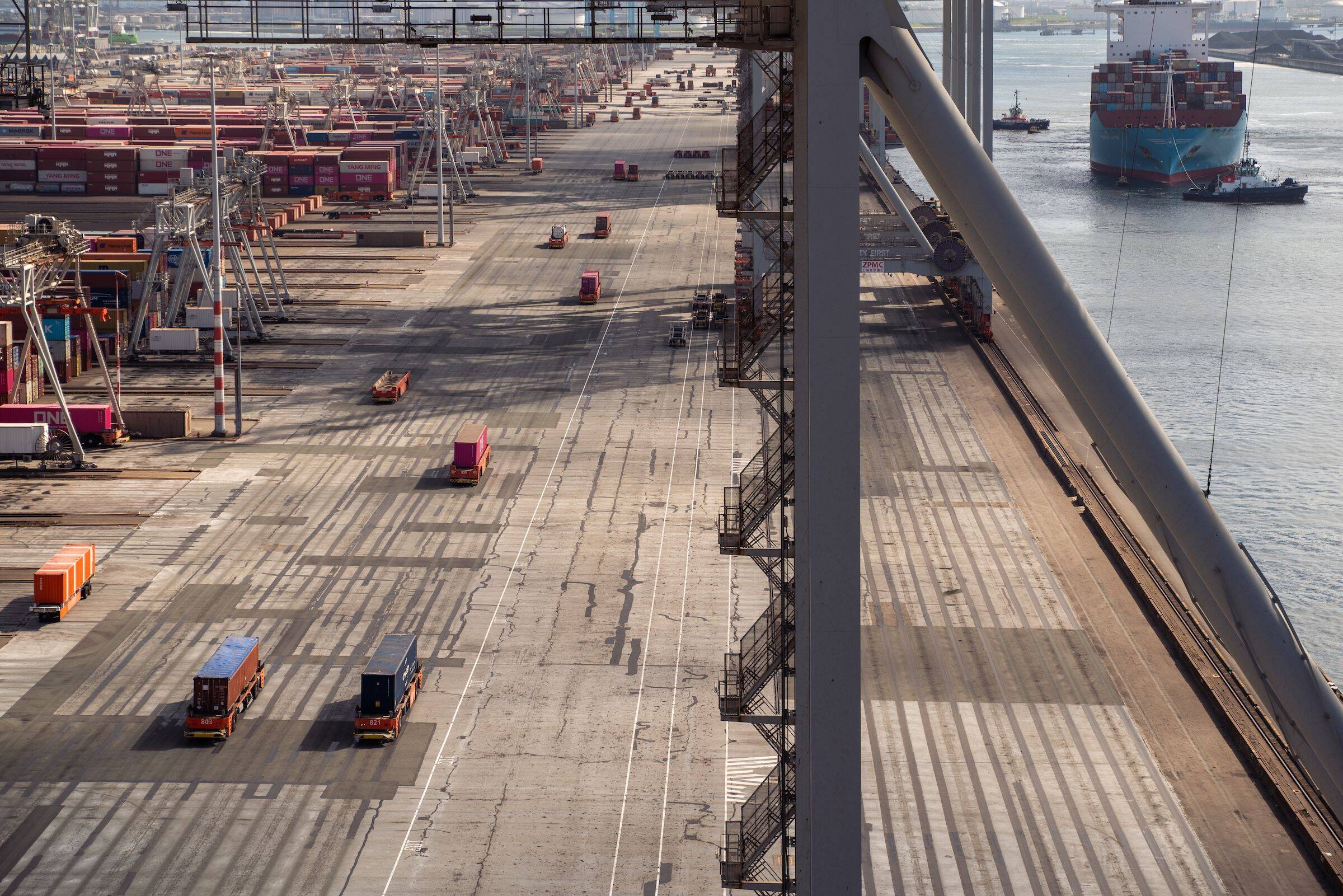
Sixty years after the first container arrived in Rotterdam, the ‘steel box’ has become an integral part of both the port and our daily lives. Yet, it is often only when the container chain is disrupted that we realise just how important it is. What will it take to keep the Netherlands and Europe connected, competitive and resilient in the decades ahead? Bart Kuipers, former port economist at Erasmus University Rotterdam, and Hanna Stelzel, Director of Containers at the Port of Rotterdam Authority, share their insights.
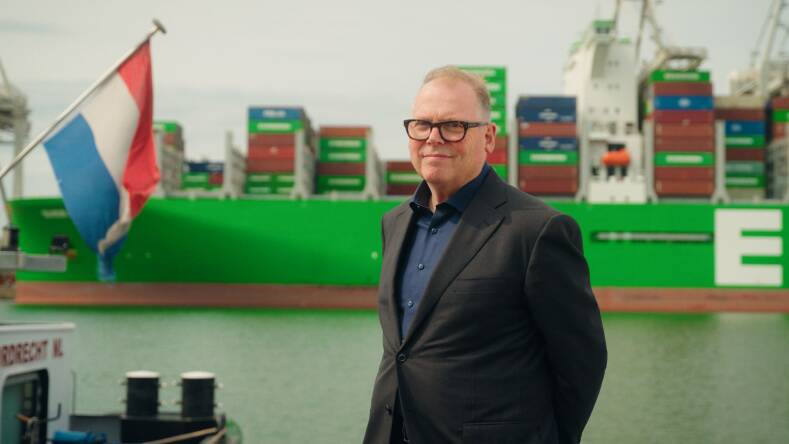
Bart Kuipers co-wrote a position paper on containers with Hannah Mosmans. It was his last assignment before retirement, a fitting conclusion for someone known as ‘Mr Container’. ‘You could sum up my passion for the port with the letter C: containers, chemistry and the city. But also congestion and climate.’ Since 2024, Hanna Stelzel has headed the container team at the Port of Rotterdam Authority. She shares Bart’s fascination with the container and is an enthusiastic advocate of the ‘steel box’.

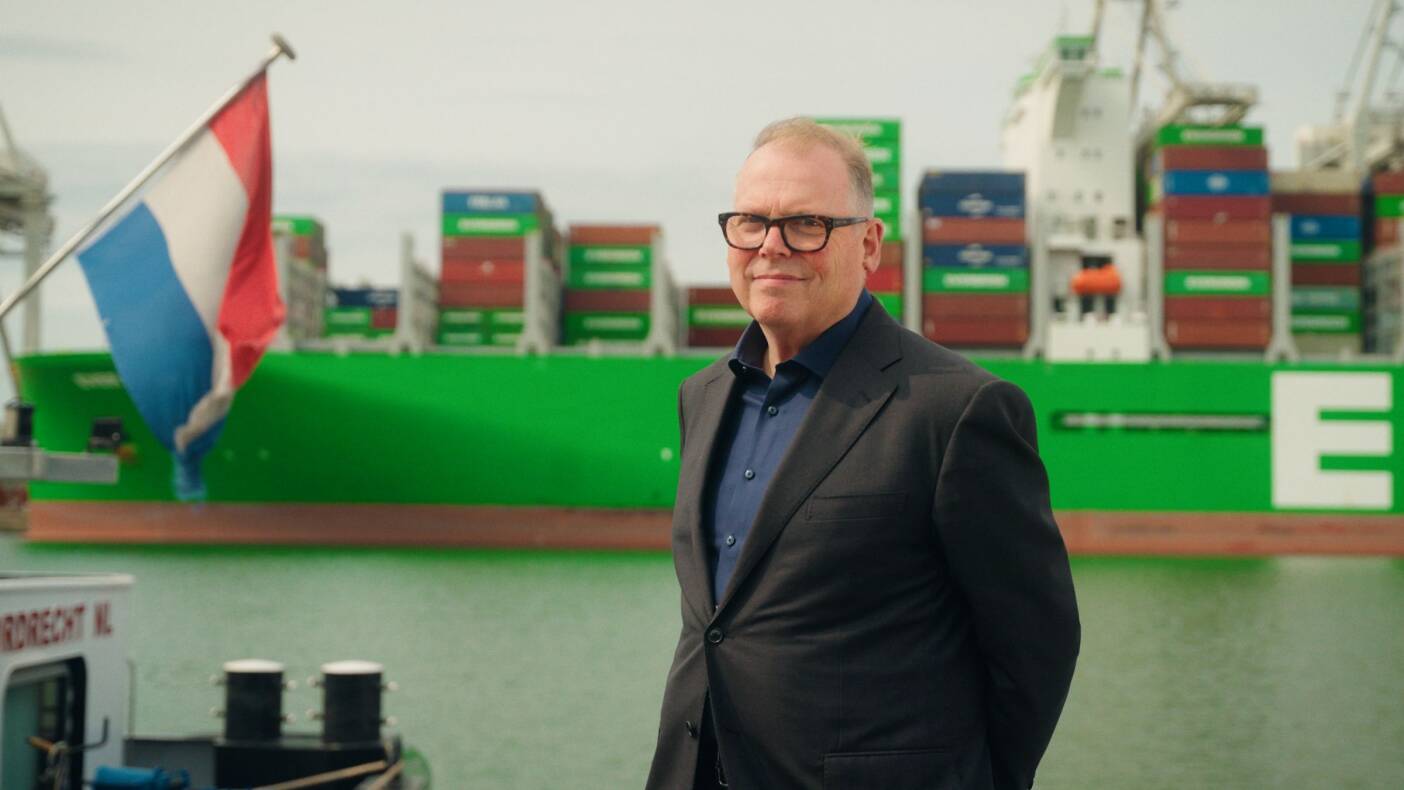
Hanna Stelzel
Bart Kuipers
At first glance, however, that ‘steel box’ seems rather unremarkable. It’s simply a steel box with standardised dimensions. Yet its arrival in Rotterdam sixty years ago profoundly transformed global trade. The container made transport faster, more efficient and more cost-effective and today, it provides temporary storage for almost everything we use in our daily lives.
According to Hanna, this development shows how important it is to embrace change and invest in good time. ‘Sixty years ago, we couldn’t have predicted the impact the container would have. Rotterdam’s success is partly due to companies and governments that were open to innovation and willing to invest.’ She argues that this mindset remains essential, not only when constructing new infrastructure, but equally when maintaining what is already in place. ‘We anticipate significant growth in container volumes. We must continue to invest to ensure that these can be transported to the hinterland reliably and sustainably.’
Far more than just consumer goods
Resilience as a strategic advantage
Nothing without information
The best rather than the biggest
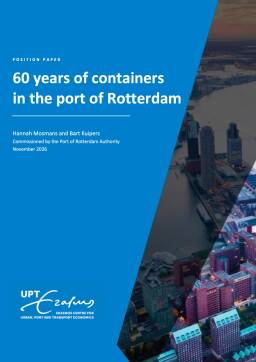
Position paper: 60 years of containers in the port of Rotterdam
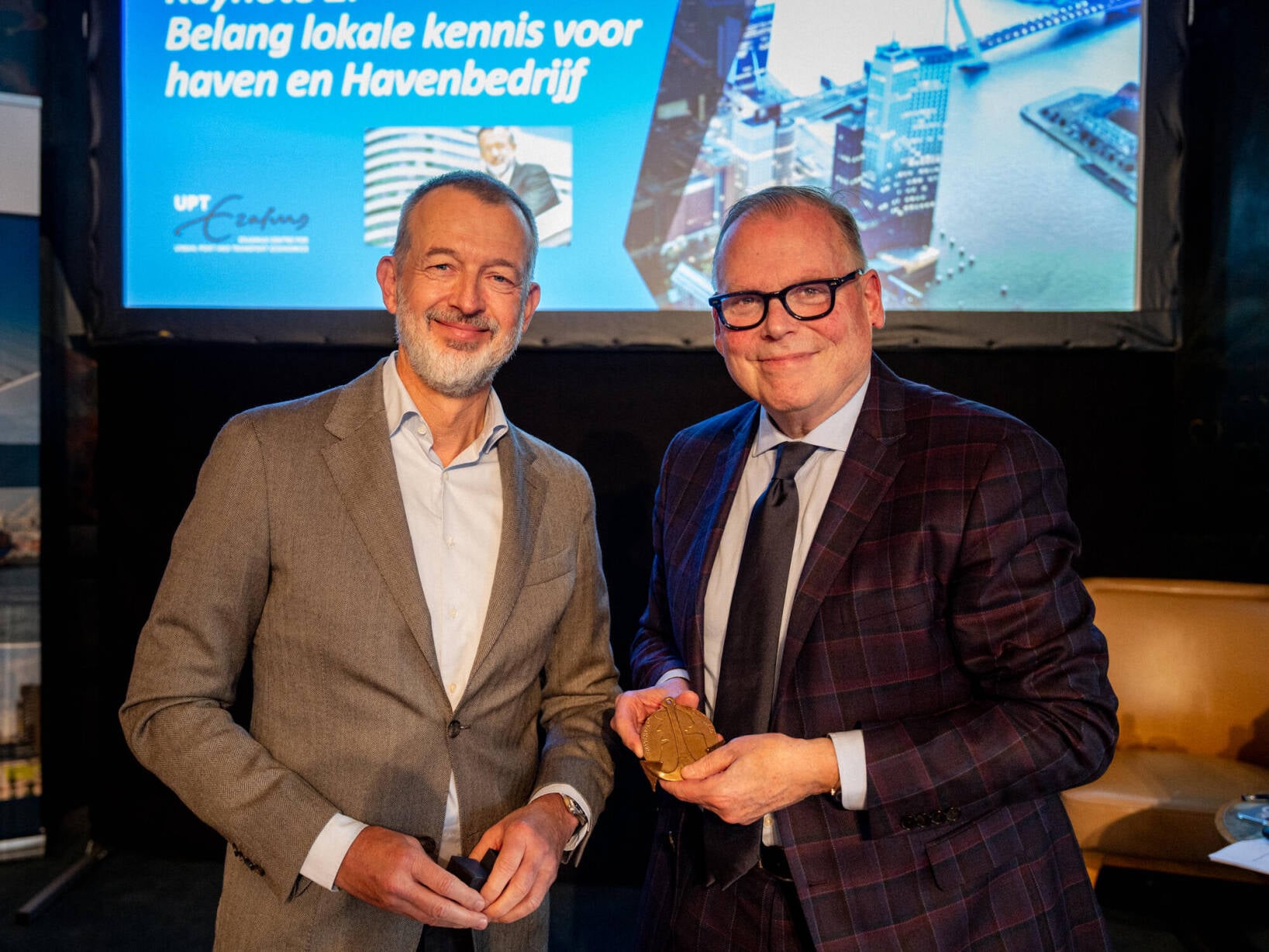
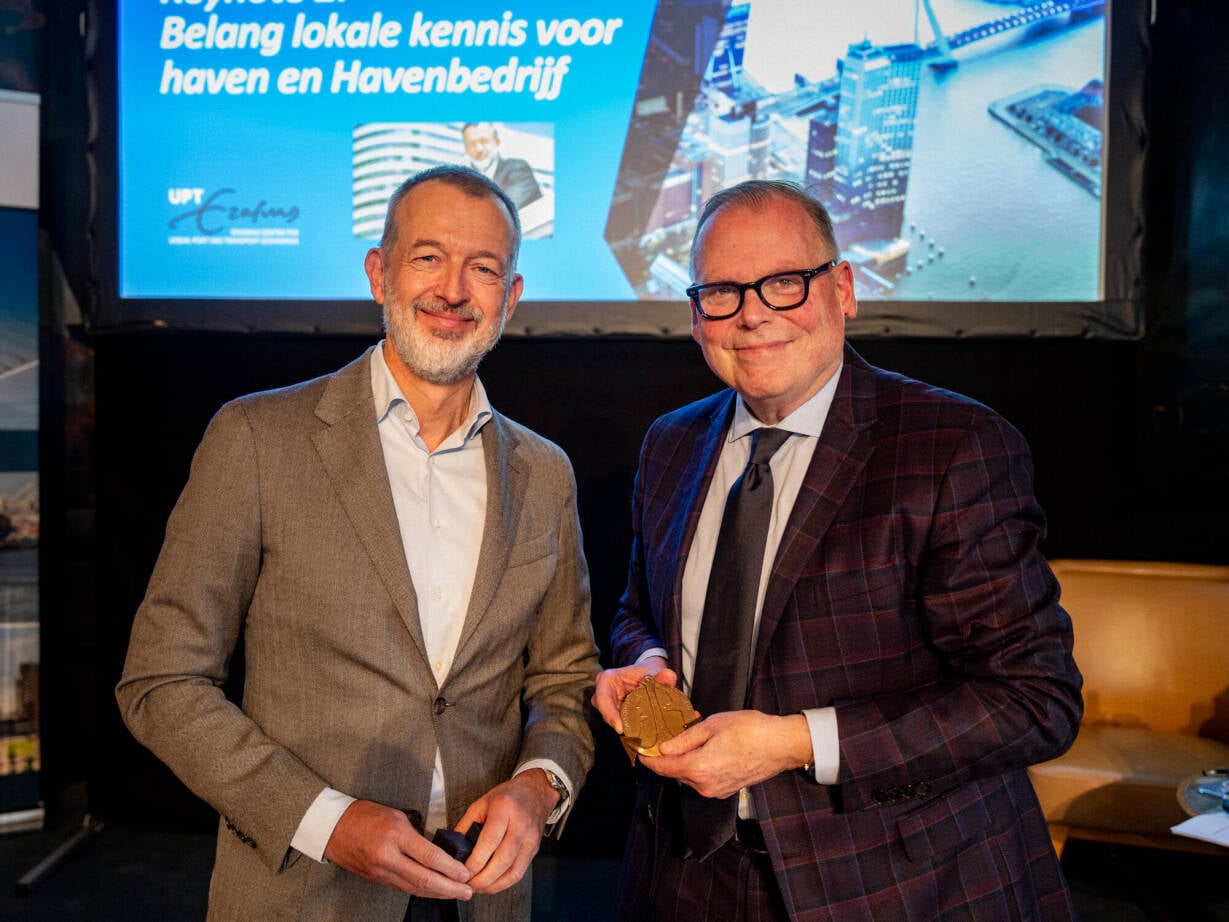
Farewell to ‘Mr Container’
SPECIAL
‘Don’t look at the container but at what it contains’
In conversation with Bart Kuipers and Hanna Stelzel
Sixty years after the first container arrived in Rotterdam, the ‘steel box’ has become an integral part of both the port and our daily lives. Yet, it is often only when the container chain is disrupted that we realise just how important it is. What will it take to keep the Netherlands and Europe connected, competitive and resilient in the decades ahead? Bart Kuipers, former port economist at Erasmus University Rotterdam, and Hanna Stelzel, Director of Containers at the Port of Rotterdam Authority, share their insights.
Bart Kuipers co-wrote a position paper on containers with Hannah Mosmans. It was his last assignment before retirement, a fitting conclusion for someone known as ‘Mr Container’. ‘You could sum up my passion for the port with the letter C: containers, chemistry and the city. But also congestion and climate.’ Since 2024, Hanna Stelzel has headed the container team at the Port of Rotterdam Authority. She shares Bart’s fascination with the container and is an enthusiastic advocate of the ‘steel box’.

Hanna Stelzel
Bart Kuipers
At first glance, however, that ‘steel box’ seems rather unremarkable. It’s simply a steel box with standardised dimensions. Yet its arrival in Rotterdam sixty years ago profoundly transformed global trade. The container made transport faster, more efficient and more cost-effective and today, it provides temporary storage for almost everything we use in our daily lives.
According to Hanna, this development shows how important it is to embrace change and invest in good time. ‘Sixty years ago, we couldn’t have predicted the impact the container would have. Rotterdam’s success is partly due to companies and governments that were open to innovation and willing to invest.’ She argues that this mindset remains essential, not only when constructing new infrastructure, but equally when maintaining what is already in place. ‘We anticipate significant growth in container volumes. We must continue to invest to ensure that these can be transported to the hinterland reliably and sustainably.’
Far more than just consumer goods
Resilience as a strategic advantage
Nothing without information
The best rather than the biggest
Position paper: 60 years of containers in the port of Rotterdam
Farewell to ‘Mr Container’