BUILDING THE FUTURE
New storage tanks for LBC Tank Terminals
Scroll down
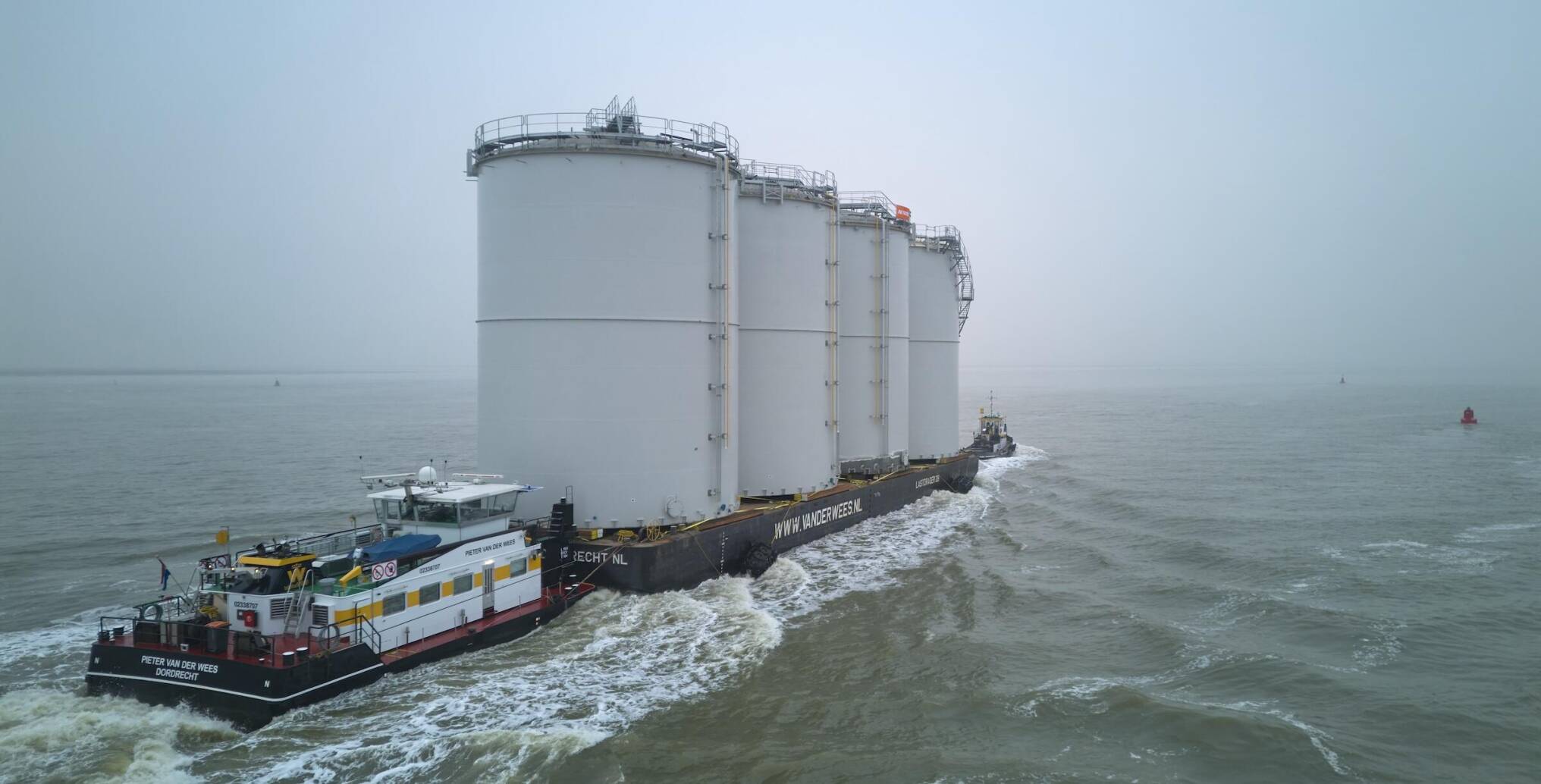
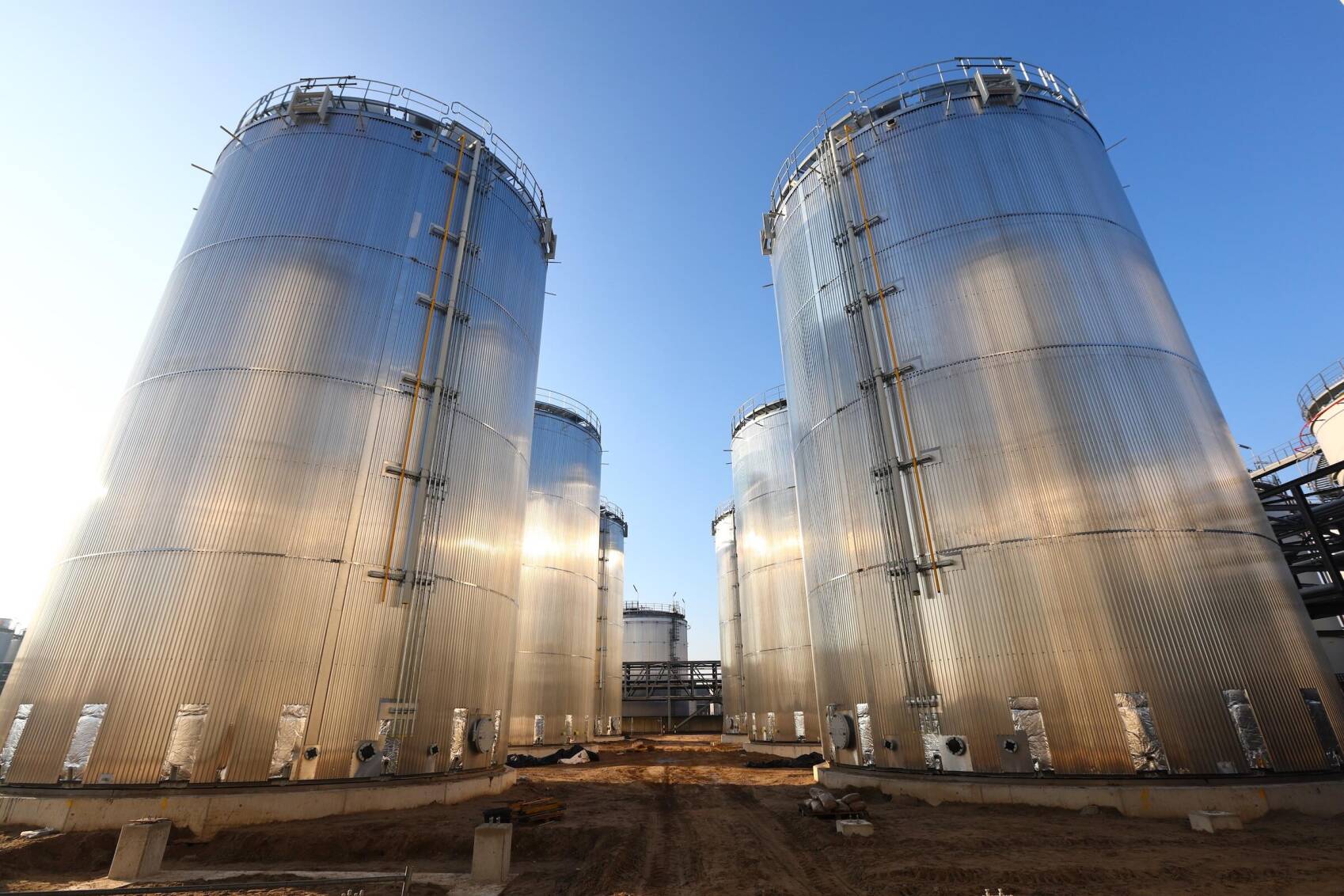
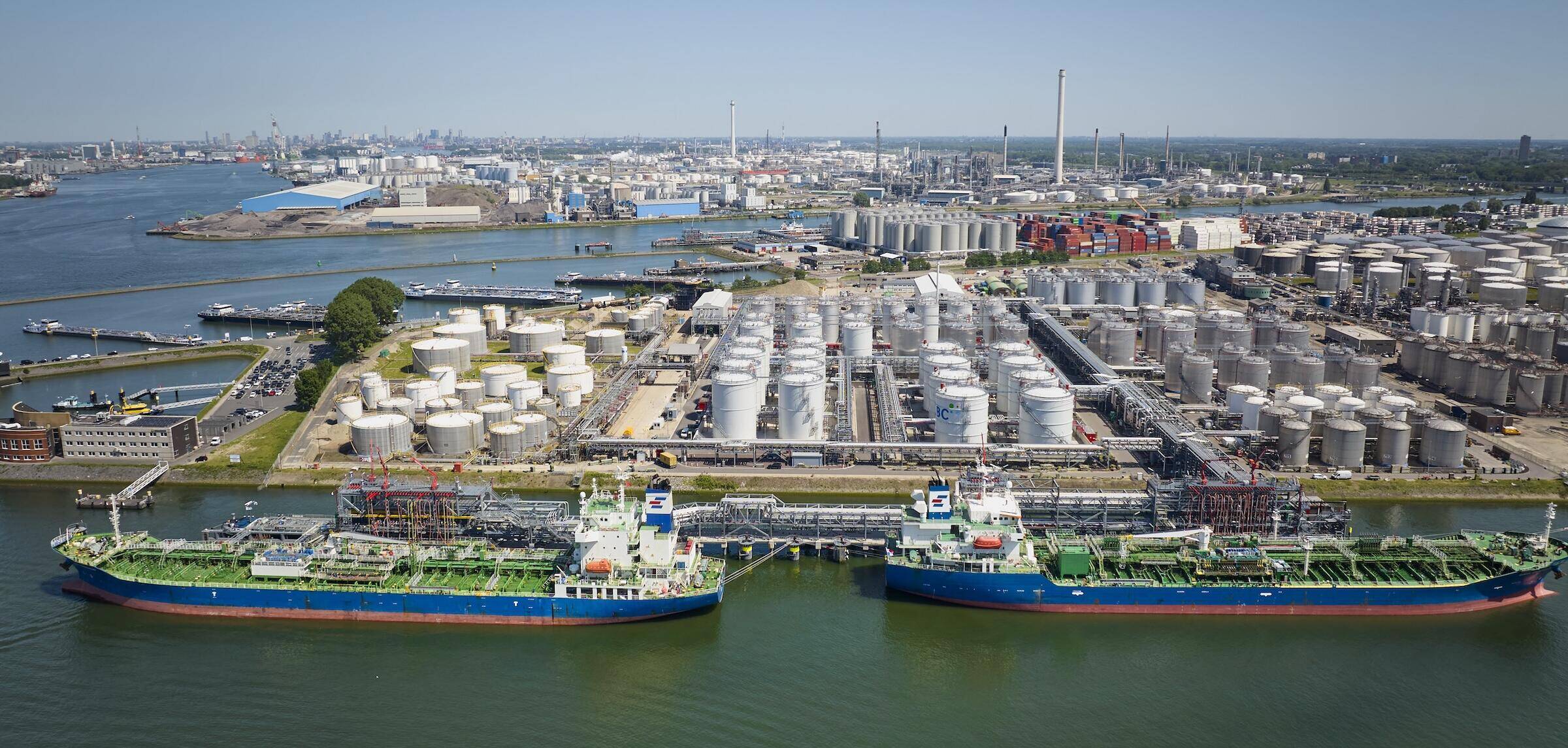
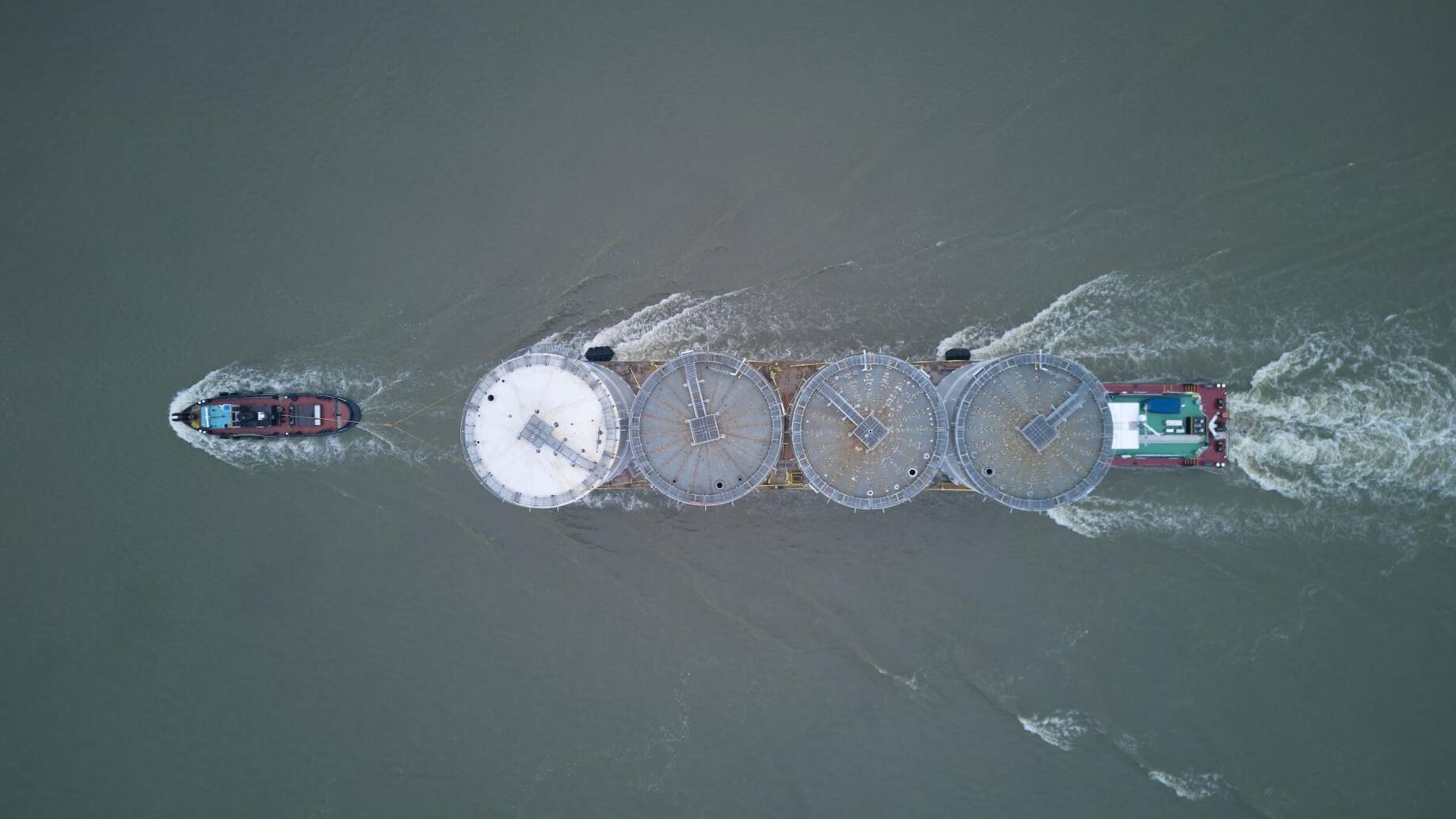
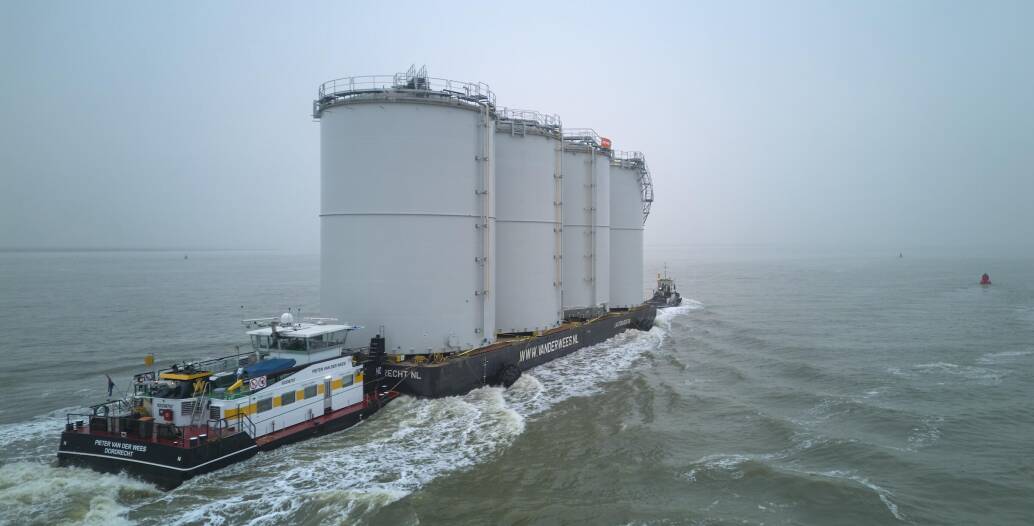
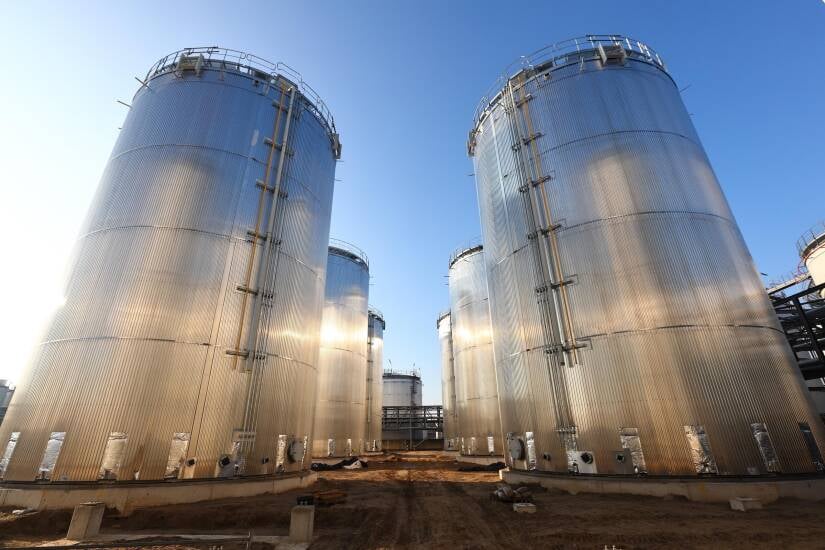
Driving through the Botlek, you may notice a substantial number of brand-new, gleaming white storage tanks. The construction of 36 news tanks has been recently completed. They are ready to store chemicals and sustainable products. The proud owner is LBC Rotterdam.
The chemical industry is struggling, even in Rotterdam. Perhaps that is why Terminal Manager Mathias Potvin is particularly proud of the completion of the project called ‘Rainbow 3’. Potvin explains, ‘This project is not only about additional capacity, but, above all, it is a vote of confidence in the future of chemical logistics, the port of Rotterdam and the energy transition.’
The Japanese company Mitsui O.S.K Lines (MOL), one of the world’s largest shipping companies owns the LBC Tank Terminals group. Products that are stored at the LBC terminal eventually find their way to hospitals, homes, cars and food packaging. They play an important role in society. ‘The products are almost all “intermediates”,’ Potvin explains. ‘For example, one of the products we store is used for insulation and car batteries.’ Another example is pyrolysis oil. ‘That is the result of a circular supply chain. In the past, plastic and tires, for example, were products that could only be recycled into inferior materials. That's a thing of the past.’ He continues, ‘These products are now “chemically” recycled into a liquid that can actually be reused to make high-quality plastic, such as for food packaging.’
Large-scale programme for the energy transition
The first pile was driven in July 2024. Shortly after the new storage tanks were officially opened two years later, they were already full. The new storage tanks are part of the Rainbow 3 project. The Rainbow programme is a large-scale programme that invests in renewable energy flows and storage capacity for high-quality chemical products. The Rainbow 3 project involves an investment of 140 million euros. Thanks to the project, the terminal's storage capacity has increased by 30%. Potvin says, ‘We've also built a new loading facility where we can load both trains and trucks. This allows us to triple our truck-loading capacity, and even quintuple our rail-loading capacity. This is forward-looking, especially when Rhine water levels are low, for example.’ During the expansion, old infrastructure was replaced by modern, safer and more sustainable installations. The upgrade of the terminal contributes to the further strengthening of the port of Rotterdam: it offers more opportunities to store and transport chemical products and sustainable raw materials.
Balancing construction and operations
The construction of Rainbow 3 was not an easy task. The terminal operates 24 hours a day, 365 days a year. While contractors were working on new tank pits, pipes and loading facilities, the daily service to clients had to continue unabated. ‘Over the past two years, we had to achieve five goals at the same time: work safely, deliver on time, stay within budget, find clients for the capacity that has not yet been sold, and keep the existing terminal fully operational,’ Potvin says. ‘Today, I am proud to say that we succeeded on all five points.’ He explains, ‘Construction traffic, testing activities and operational processes had to be continuously coordinated.’ Safety was also a key focus. Despite the complexity, the project was delivered on schedule and within the set budget. ‘This required intensive cooperation between project teams, operational staff, contractors and other departments.’ Potvin is therefore extremely proud. ‘Especially because we did this expansion safely and with minimal impact on clients.’
All tanks rented out
What is remarkable about the project? The investment decision was made before the capacity was commercially secured. Potvin says, ‘This demonstrates confidence in the market and future demand for storage capacity.’ And the trust proved justified: all the tanks had been rented out before construction was completed.
And the next step...
The successful completion of Rainbow 3 prompted LBC's shareholders to immediately give the green light for the next step in the master plan. With the Rainbow 5A project, even more storage capacity is being constructed. Two existing tank pits will be demolished and replaced by fourteen modern tanks. Potvin says, ‘For LBC, it is part of a broader strategy to support clients in changing market conditions and make industrial chains more sustainable.’ According to Potvin, the opening of Rainbow 3 is a signal for the port of Rotterdam. At a time when many industrial companies are struggling with uncertainty and rising costs, the investment represents a tangible vote of confidence in Rotterdam's position as a logistical and industrial hub in Europe. He continues, ‘Rainbow 5A is already under construction, and our ambition to continue growing remains unabated.’
New storage tanks for LBC Tank Terminals
Driving through the Botlek, you may notice a substantial number of brand-new, gleaming white storage tanks. The construction of 36 news tanks has been recently completed. They are ready to store chemicals and sustainable products. The proud owner is LBC Rotterdam.
The chemical industry is struggling, even in Rotterdam. Perhaps that is why Terminal Manager Mathias Potvin is particularly proud of the completion of the project called ‘Rainbow 3’. Potvin explains, ‘This project is not only about additional capacity, but, above all, it is a vote of confidence in the future of chemical logistics, the port of Rotterdam and the energy transition.’
The Japanese company Mitsui O.S.K Lines (MOL), one of the world’s largest shipping companies owns the LBC Tank Terminals group. Products that are stored at the LBC terminal eventually find their way to hospitals, homes, cars and food packaging. They play an important role in society. ‘The products are almost all “intermediates”,’ Potvin explains. ‘For example, one of the products we store is used for insulation and car batteries.’ Another example is pyrolysis oil. ‘That is the result of a circular supply chain. In the past, plastic and tires, for example, were products that could only be recycled into inferior materials. That's a thing of the past.’ He continues, ‘These products are now “chemically” recycled into a liquid that can actually be reused to make high-quality plastic, such as for food packaging.’
Large-scale programme for the energy transition
The first pile was driven in July 2024. Shortly after the new storage tanks were officially opened two years later, they were already full. The new storage tanks are part of the Rainbow 3 project. The Rainbow programme is a large-scale programme that invests in renewable energy flows and storage capacity for high-quality chemical products. The Rainbow 3 project involves an investment of 140 million euros. Thanks to the project, the terminal's storage capacity has increased by 30%. Potvin says, ‘We've also built a new loading facility where we can load both trains and trucks. This allows us to triple our truck-loading capacity, and even quintuple our rail-loading capacity. This is forward-looking, especially when Rhine water levels are low, for example.’ During the expansion, old infrastructure was replaced by modern, safer and more sustainable installations. The upgrade of the terminal contributes to the further strengthening of the port of Rotterdam: it offers more opportunities to store and transport chemical products and sustainable raw materials.
Balancing construction and operations
The construction of Rainbow 3 was not an easy task. The terminal operates 24 hours a day, 365 days a year. While contractors were working on new tank pits, pipes and loading facilities, the daily service to clients had to continue unabated. ‘Over the past two years, we had to achieve five goals at the same time: work safely, deliver on time, stay within budget, find clients for the capacity that has not yet been sold, and keep the existing terminal fully operational,’ Potvin says. ‘Today, I am proud to say that we succeeded on all five points.’ He explains, ‘Construction traffic, testing activities and operational processes had to be continuously coordinated.’ Safety was also a key focus. Despite the complexity, the project was delivered on schedule and within the set budget. ‘This required intensive cooperation between project teams, operational staff, contractors and other departments.’ Potvin is therefore extremely proud. ‘Especially because we did this expansion safely and with minimal impact on clients.’
All tanks rented out
What is remarkable about the project? The investment decision was made before the capacity was commercially secured. Potvin says, ‘This demonstrates confidence in the market and future demand for storage capacity.’ And the trust proved justified: all the tanks had been rented out before construction was completed.
And the next step...
The successful completion of Rainbow 3 prompted LBC's shareholders to immediately give the green light for the next step in the master plan. With the Rainbow 5A project, even more storage capacity is being constructed. Two existing tank pits will be demolished and replaced by fourteen modern tanks. Potvin says, ‘For LBC, it is part of a broader strategy to support clients in changing market conditions and make industrial chains more sustainable.’ According to Potvin, the opening of Rainbow 3 is a signal for the port of Rotterdam. At a time when many industrial companies are struggling with uncertainty and rising costs, the investment represents a tangible vote of confidence in Rotterdam's position as a logistical and industrial hub in Europe. He continues, ‘Rainbow 5A is already under construction, and our ambition to continue growing remains unabated.’
BUILDING THE FUTURE