BEHIND THE SCENES
Behind the scenes:
Ship supply logistics
Scroll down
In the Behind the Scenes series, we do precisely that and take a look behind the scenes in the port of Rotterdam. We get an exclusive insight into the daily activities and processes of the many organisations that keep Europe's largest port running.
In this edition, we delve into the world of ship supply logistics, a sector in which logistics, speed and flexibility come together to keep vessels operational. Behind every delivery lies a carefully coordinated operation, often under intense time pressure and in constantly changing circumstances.
Interested in seeing what that looks like in practice? Take a look!
Behind the Scenes: Ritmeester
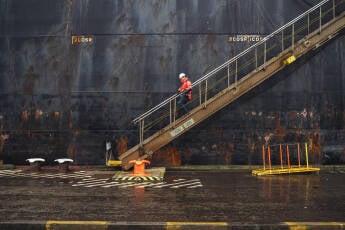
For many people, ship supply logistics remains largely invisible. Yet, it is an essential link in the maritime chain. To keep the vessels calling at our port operational, a wide range of goods must be brought on board at the right time. These include technical parts and maintenance materials, as well as consumables for the crew. This requires precise planning, short lines of communication and the ability to adapt quickly when circumstances change.
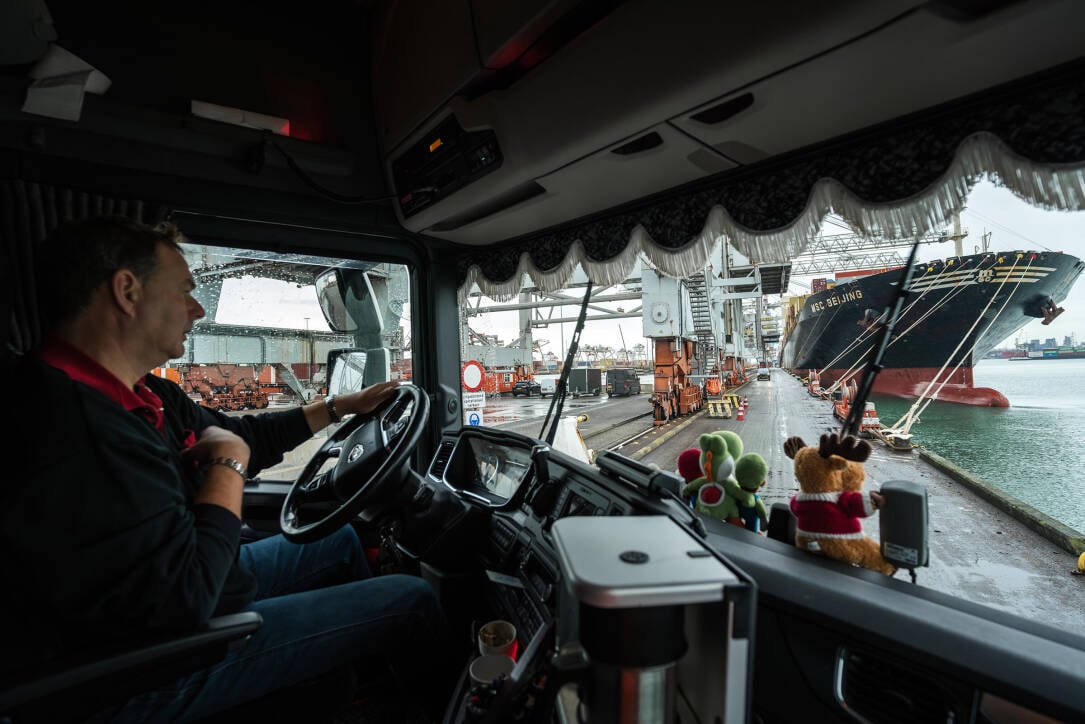
It is precisely in this dynamic environment that Ritmeester operates. The company provides ship suppliers with storage, transport and distribution services for deliveries to ports throughout North-West Europe. The challenge here often lies not in long-distance logistics but in the final part of the journey: the moment when goods must finally find their way to the vessel, even as sailing schedules and plans can change constantly.
At the helm is Robert-Jan Keijzers, founder and owner (CEO) of the company. Now, more than thirty years after starting his company, he still looks at the market with the same entrepreneurial eye as when he took his first steps in the early nineties/
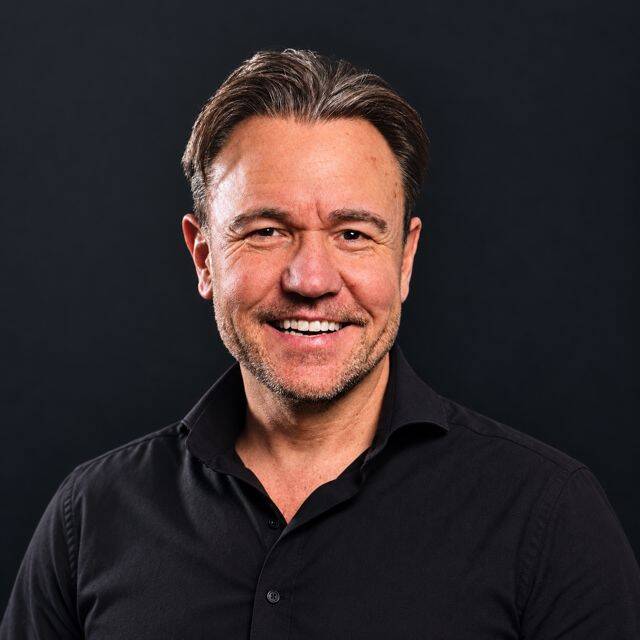
‘When I was nineteen, I worked as an international courier. I travelled all over Europe and constantly saw opportunities to organise things more efficiently. At a certain point I thought: if I have so many ideas, perhaps I should start putting them into practice myself.’
That led him to found Ritmeester in 1994. At the time, it was still a relatively small transport company, but it has since grown into a specialised provider of ship supply logistics services.
Flexibility at the heart of the services
Many suppliers focus entirely on their products. Ritmeester, on the other hand, focuses on everything that happens afterwards.
‘We do not deliver a standard product. Every client, every port and every vessel is different. That is precisely why people continue to make a difference.’
ROBERT-JAN KEIJZERS, CEO RITMEESTER
‘Our clients sell their products to shipping companies worldwide. As soon as a vessel calls at a port in North-West Europe, we ensure that those products arrive at the right place at the right time. In effect, we take care of the logistics part of their services.’
That sounds simple, but in practice, things are often far from predictable. After all, the shipping industry operates to tight schedules that are constantly changing. Arrival times shift, sailing schedules are adjusted and weather conditions can affect a vessel's route.
‘It regularly happens that the destination for a delivery changes because a vessel’s schedule has been adjusted. Then you have to be able to respond quickly. That is precisely why our clients work with us. They want to focus on their own clients and their products. We ensure that the logistics are taken care of.’
It is this combination of flexibility, speed and reliability that has given the company a strong position within the ship supply logistics sector. Ritmeester now handles deliveries across a region stretching from Northern France to the Polish border.
The port of Rotterdam is a key hub in this regard. Given the scale and diversity of shipping activity, freight flows converge here every day, requiring speed, flexibility and close cooperation between all parties in the supply chain. For companies like Ritmeester, this means operating in an environment where no two days are the same.
Not a nine-to-five sector
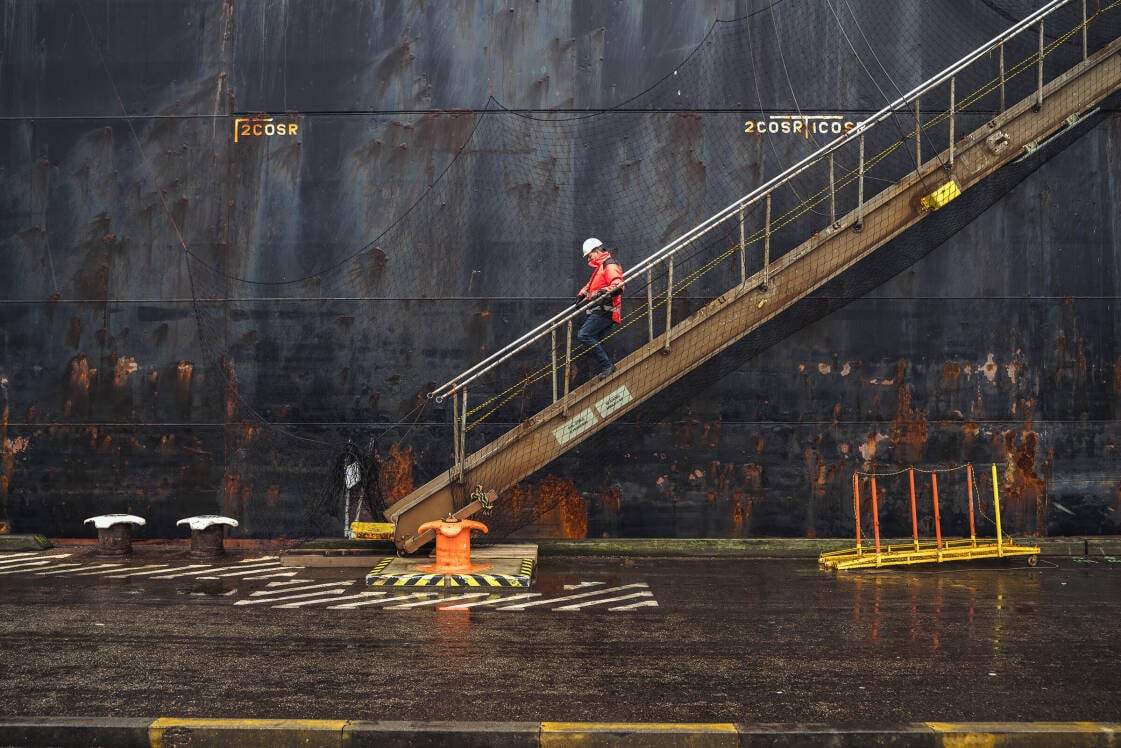
Maritime logistics requires a different approach from many other sectors. After all, vessels do not wait.
‘In our industry, you have to anticipate constantly. When a vessel arrives early or is delayed, it has an immediate impact on planning. That places considerable demands on our people.’
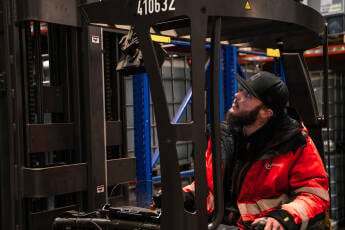
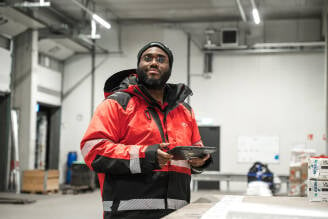
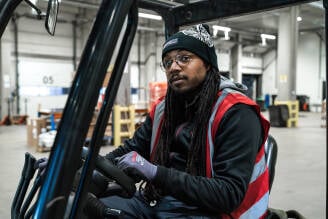
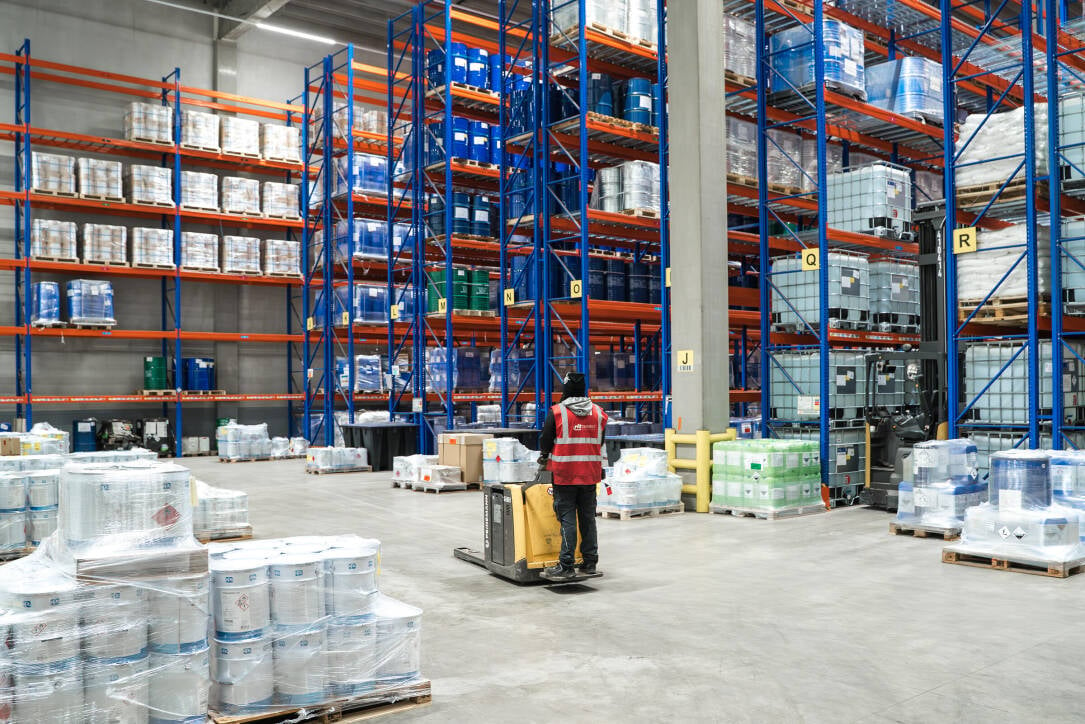
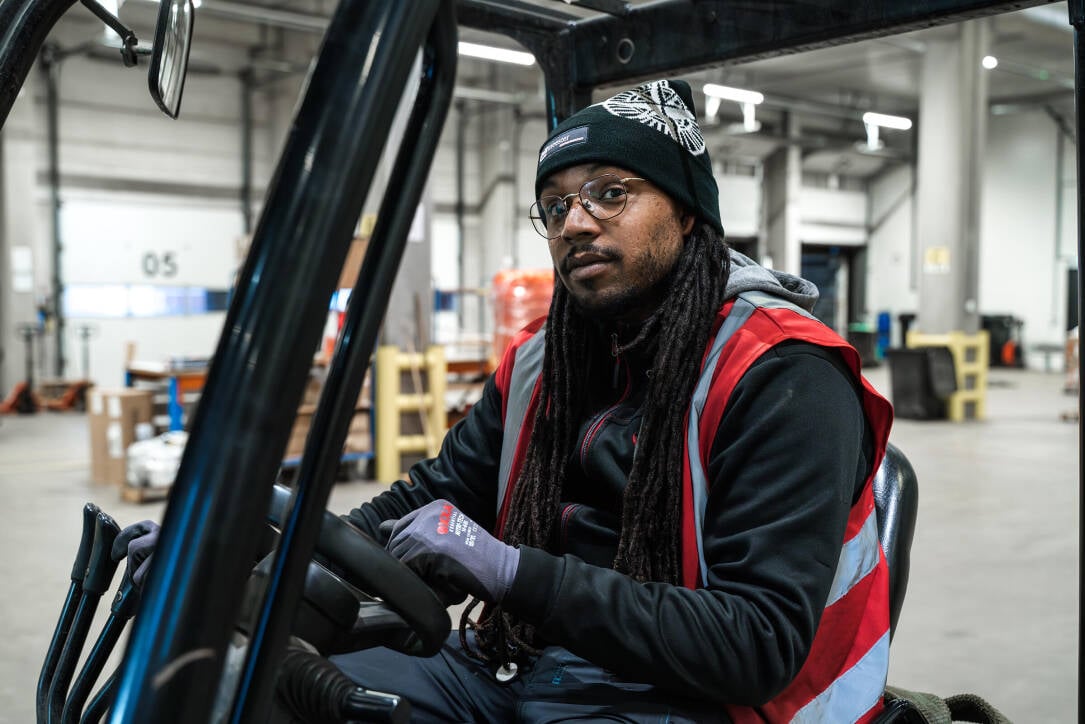
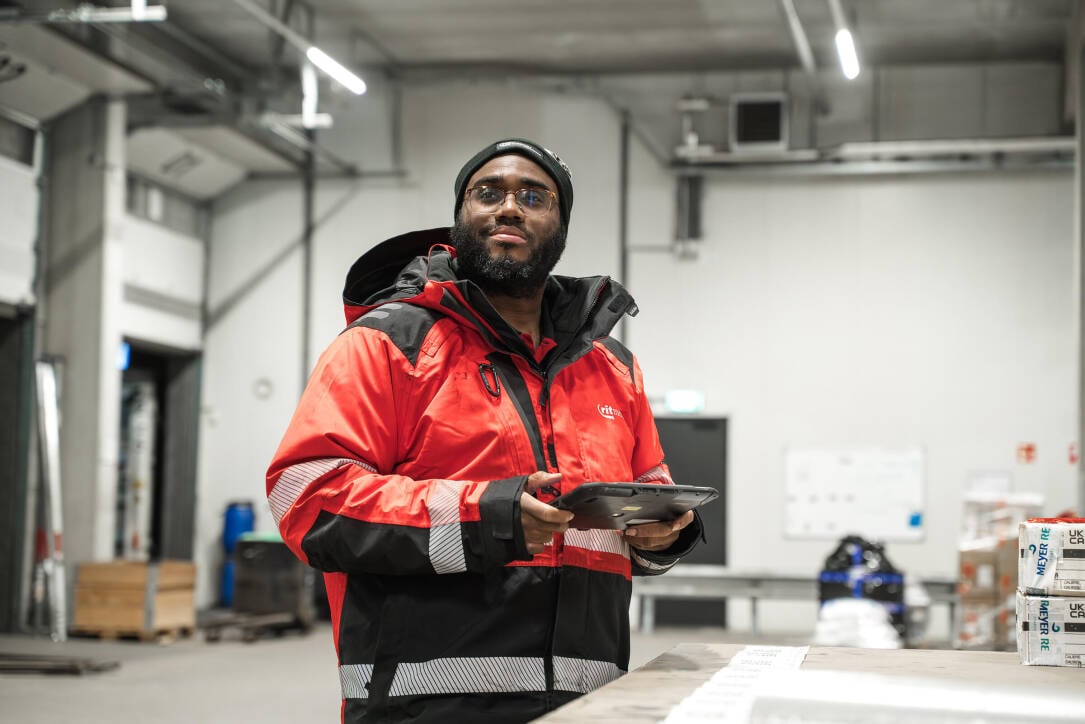
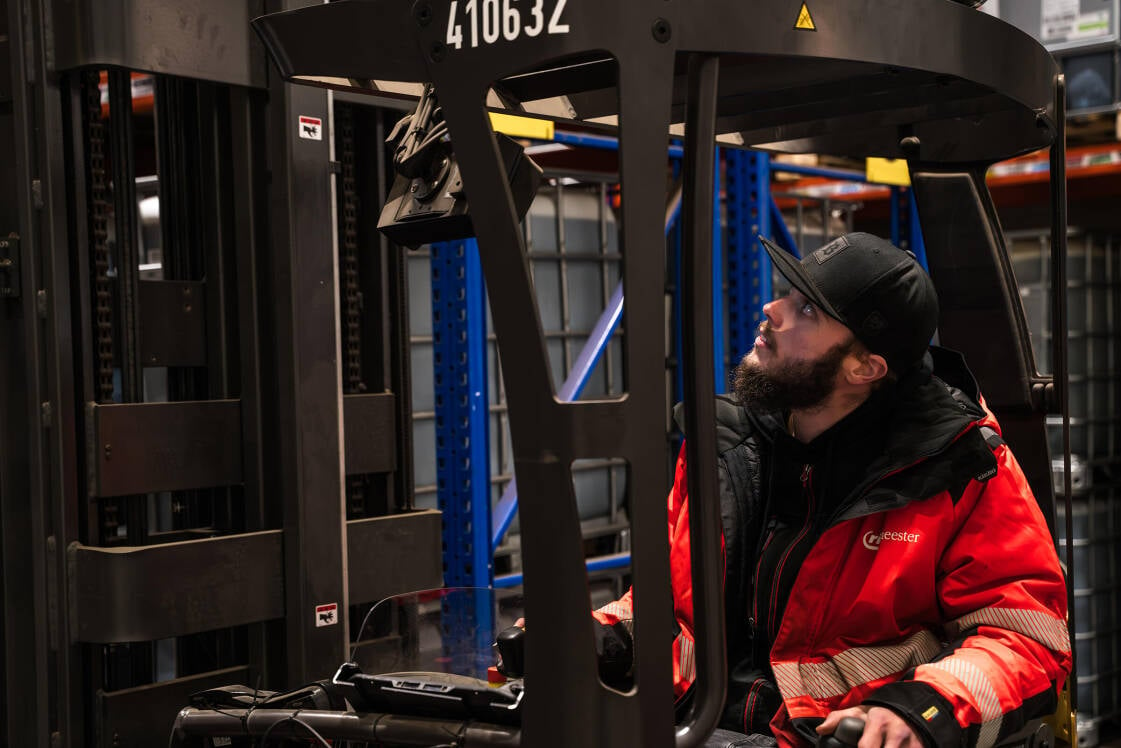
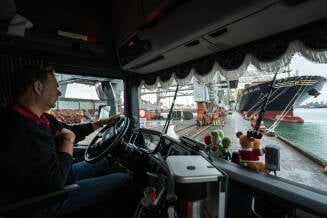
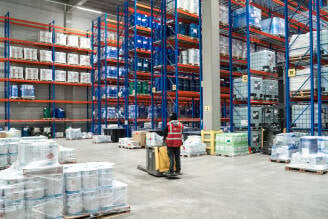
Every day, freight arrives at Ritmeester’s site, where it is warehoused, consolidated, checked and prepared for transport. Drivers set off for ports at home and abroad, while the office maintains constant contact with suppliers, agents and vessel crews.
According to Keijzers, it ultimately comes down to being able to guarantee reliable deliveries under all circumstances.
‘Clients primarily want to know that things are being taken care of, not how difficult it was. If we do our job well, they often don’t even realise how much work went into a delivery.’
Entrepreneurship means daring to look ahead
Over more than three decades, Keijzers has seen the logistics sector change significantly. Digitalisation, scaling up and increasing client expectations have fundamentally changed the playing field.
Yet, he sees one constant factor: the need to continue investing.
A key moment came when the company decided to invest in new premises during the coronavirus pandemic. At a time when many companies were holding back, Ritmeester chose to look ahead.
‘It wasn’t an easy decision. But as an entrepreneur, you sometimes have to invest at times when things feel uncertain. Looking back, I’m glad we made that choice. Without that step, we wouldn’t have been able to accommodate our continued growth.’
For Keijzers, this mindset is characteristic of entrepreneurship in the port. Developments follow each other quickly and success requires courage and staying power.
Proud of the people
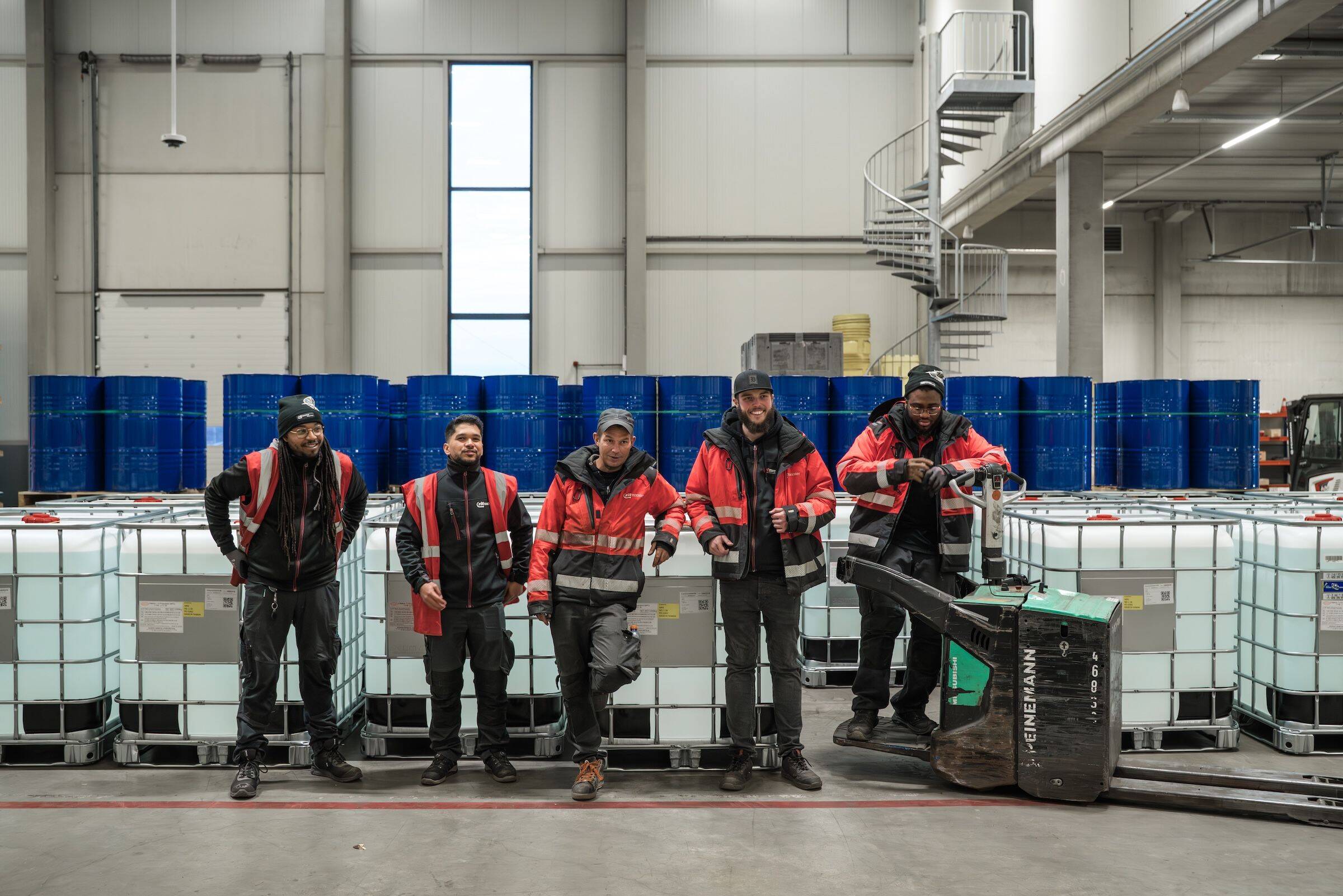
Although growth and business development are important milestones, Keijzers takes the greatest pride in something else.
He believes that commitment is also essential for the future. As processes become increasingly digitalised, human contact remains all the more important in a sector where no two days are the same.
‘We do not deliver a standard product. Every client, every port and every vessel is different. That is precisely why people continue to make a difference.’
BEHIND THE SCENES
Behind the scenes:
Ship supply logistics
In the Behind the Scenes series, we do precisely that and take a look behind the scenes in the port of Rotterdam. We get an exclusive insight into the daily activities and processes of the many organisations that keep Europe's largest port running.
In this edition, we delve into the world of ship supply logistics, a sector in which logistics, speed and flexibility come together to keep vessels operational. Behind every delivery lies a carefully coordinated operation, often under intense time pressure and in constantly changing circumstances.
Interested in seeing what that looks like in practice? Take a look!
Behind the Scenes: Ritmeester
For many people, ship supply logistics remains largely invisible. Yet, it is an essential link in the maritime chain. To keep the vessels calling at our port operational, a wide range of goods must be brought on board at the right time. These include technical parts and maintenance materials, as well as consumables for the crew. This requires precise planning, short lines of communication and the ability to adapt quickly when circumstances change.
It is precisely in this dynamic environment that Ritmeester operates. The company provides ship suppliers with storage, transport and distribution services for deliveries to ports throughout North-West Europe. The challenge here often lies not in long-distance logistics but in the final part of the journey: the moment when goods must finally find their way to the vessel, even as sailing schedules and plans can change constantly.
At the helm is Robert-Jan Keijzers, founder and owner (CEO) of the company. Now, more than thirty years after starting his company, he still looks at the market with the same entrepreneurial eye as when he took his first steps in the early nineties/
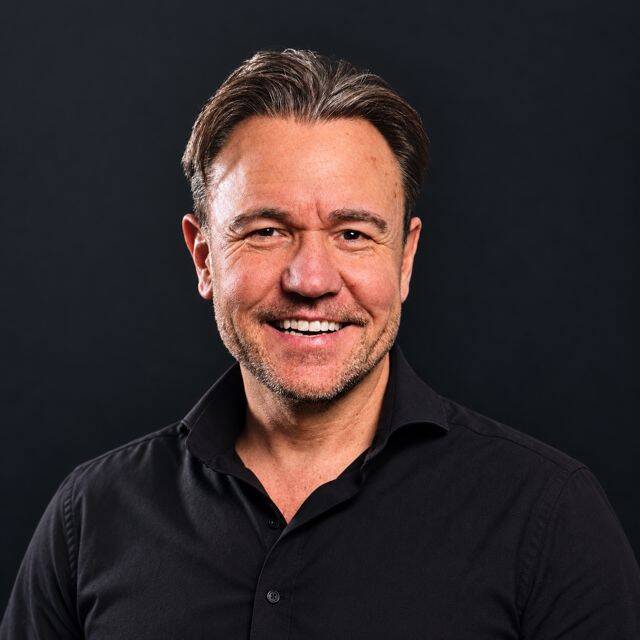
‘When I was nineteen, I worked as an international courier. I travelled all over Europe and constantly saw opportunities to organise things more efficiently. At a certain point I thought: if I have so many ideas, perhaps I should start putting them into practice myself.’
That led him to found Ritmeester in 1994. At the time, it was still a relatively small transport company, but it has since grown into a specialised provider of ship supply logistics services.
Flexibility at the heart of the services
Many suppliers focus entirely on their products. Ritmeester, on the other hand, focuses on everything that happens afterwards.
‘We do not deliver a standard product. Every client, every port and every vessel is different. That is precisely why people continue to make a difference.’
ROBERT-JAN KEIJZERS, CEO RITMEESTER
‘Our clients sell their products to shipping companies worldwide. As soon as a vessel calls at a port in North-West Europe, we ensure that those products arrive at the right place at the right time. In effect, we take care of the logistics part of their services.’
That sounds simple, but in practice, things are often far from predictable. After all, the shipping industry operates to tight schedules that are constantly changing. Arrival times shift, sailing schedules are adjusted and weather conditions can affect a vessel's route.
‘It regularly happens that the destination for a delivery changes because a vessel’s schedule has been adjusted. Then you have to be able to respond quickly. That is precisely why our clients work with us. They want to focus on their own clients and their products. We ensure that the logistics are taken care of.’
It is this combination of flexibility, speed and reliability that has given the company a strong position within the ship supply logistics sector. Ritmeester now handles deliveries across a region stretching from Northern France to the Polish border.
The port of Rotterdam is a key hub in this regard. Given the scale and diversity of shipping activity, freight flows converge here every day, requiring speed, flexibility and close cooperation between all parties in the supply chain. For companies like Ritmeester, this means operating in an environment where no two days are the same.
Not a nine-to-five sector
Maritime logistics requires a different approach from many other sectors. After all, vessels do not wait.
‘In our industry, you have to anticipate constantly. When a vessel arrives early or is delayed, it has an immediate impact on planning. That places considerable demands on our people.’
Every day, freight arrives at Ritmeester’s site, where it is warehoused, consolidated, checked and prepared for transport. Drivers set off for ports at home and abroad, while the office maintains constant contact with suppliers, agents and vessel crews.
According to Keijzers, it ultimately comes down to being able to guarantee reliable deliveries under all circumstances.
‘Clients primarily want to know that things are being taken care of, not how difficult it was. If we do our job well, they often don’t even realise how much work went into a delivery.’
Entrepreneurship means daring to look ahead
Over more than three decades, Keijzers has seen the logistics sector change significantly. Digitalisation, scaling up and increasing client expectations have fundamentally changed the playing field.
Yet, he sees one constant factor: the need to continue investing.
A key moment came when the company decided to invest in new premises during the coronavirus pandemic. At a time when many companies were holding back, Ritmeester chose to look ahead.
‘It wasn’t an easy decision. But as an entrepreneur, you sometimes have to invest at times when things feel uncertain. Looking back, I’m glad we made that choice. Without that step, we wouldn’t have been able to accommodate our continued growth.’
For Keijzers, this mindset is characteristic of entrepreneurship in the port. Developments follow each other quickly and success requires courage and staying power.
Proud of the people
Although growth and business development are important milestones, Keijzers takes the greatest pride in something else.
He believes that commitment is also essential for the future. As processes become increasingly digitalised, human contact remains all the more important in a sector where no two days are the same.
‘We do not deliver a standard product. Every client, every port and every vessel is different. That is precisely why people continue to make a difference.’