HEADLINES
First rays of hope for Rotterdam's investment climate
through progress on nitrogen emissions and the power grid
Scroll down
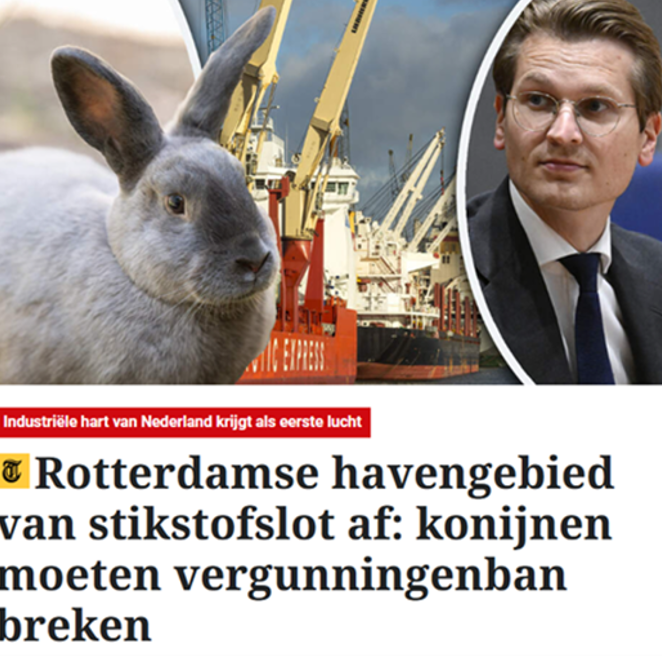
An eye-catching headline appeared in the media in early October: ‘Sigh of relief in the port of Rotterdam: nitrogen lock finally lifted thanks to rabbits.’ It is widely known that the port is under a significant nitrogen lock. Since late 2024, when a ruling by the highest court made internal netting impossible, nature permitting has largely dried up and many investments have become too risky. The port was effectively at a standstill. Now, however, there is a ray of hope. But what do rabbits have to do with it?
Since 2019, the Port of Rotterdam Authority has been advocating measures that reduce nitrogen emissions and enable nature restoration through nature measures. In that year, the ‘PAS’-route was blocked. Under this Dutch scheme, permits could be granted based on anticipated future nitrogen reduction, but that approach proved legally untenable. Five years later, the other solution, internal netting, was also scrapped. This meant that new nitrogen emissions could no longer be offset against existing, (permitted) nitrogen space elsewhere. Obtaining permits for expansion and/or sustainability projects had therefore become effectively impossible.
Here come the rabbits...
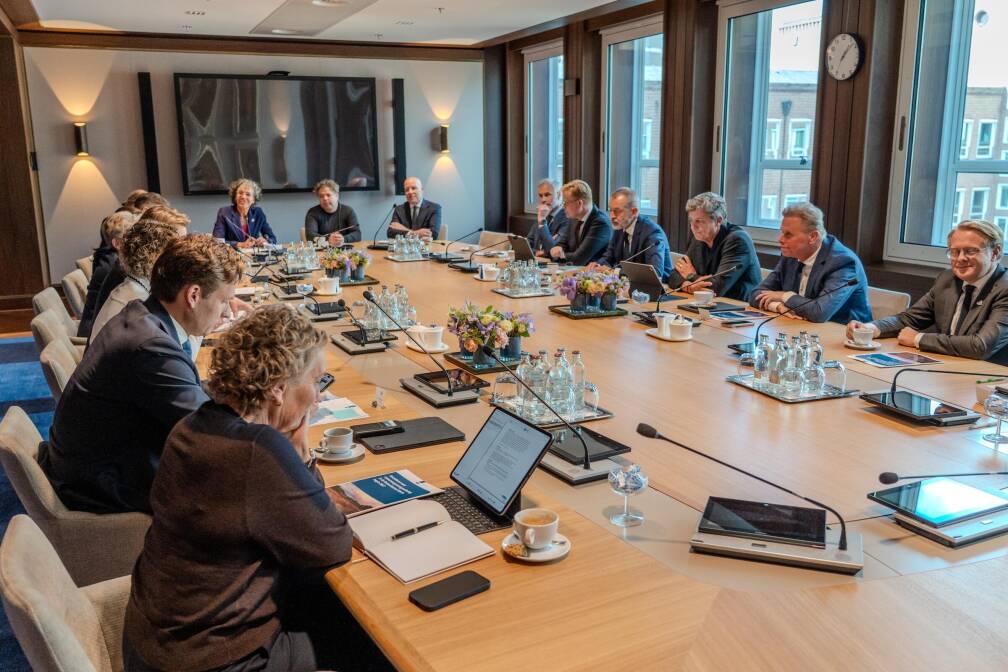
Alarm bells were ringing at the port: billions in investments were on hold. This was revealed by a survey of companies in the port, which were now threatening to take legal action. The call for measures reached central government, leading to the ‘Catshuis talks’ in mid-2025, during which the Cabinet and the ministries involved sought an area-specific solution. The Roadmap was finally presented on 8 October this year. It sets out targeted measures that aim to prevent further deterioration of nature, with the national government allocating €50 million to an implementation programme and changes to nature management plans.
And here come the rabbits: they dig tunnels in the surrounding nature reserves, giving rare plants a better chance to thrive. They are therefore an integral part of a package of measures designed to make nature more dynamic and resilient. After a long period of uncertainty, the Roadmap should ensure that permits are granted again in the western port area from 2027. This is an excellent example of how collaboration between the Port of Rotterdam Authority, companies in the port and government bodies can lead to solutions.
The Dutch government has agreed to a regional plan with the Province of South Holland, the Municipality of Rotterdam, the Port of Rotterdam Authority and Deltalinqs. The plan aims to restart environmental permitting for projects in the western Rotterdam port area from early 2027.
The plan includes €50 million for targeted nature restoration measures in nearby dune areas, with a focus on biodiversity, water management and controlling invasive species.
The initiative is expected to unlock stalled industrial projects, including those aimed at decarbonisation, by improving the natural environment and providing clearer environmental conditions. It is also expected to support housing development, strengthen the energy transition and enhance the long-term economic competitiveness of the Rotterdam port region.
Grid congestion
That collaboration has also proved successful in addressing another major obstacle: grid congestion. The waiting list of companies wanting a connection is not expected to be cleared until 2032. That's another five long years of waiting. But through close collaboration between TenneT, Stedin, Deltalinqs and the Port of Rotterdam Authority, a temporary 500 MW transformer will help ease grid congestion from 2028. This means that a substantial number of companies will be able to move forward with their expansion and sustainability plans as early as the year after next. At the same time, it remains essential to develop additional solutions until permanent grid expansions have been completed and grid congestion has been resolved. That is why the Port of Rotterdam Authority and Deltalinqs will continue to work together with companies, grid operators and governments to develop additional solutions. Within both the Energy & Industry Board HIC and the New Energy Taskforce, the collaboration will continue to develop promising measures and, where possible, accelerate their implementation. For example, additional space on the grid can also be created through smarter use of existing capacity, flexibility in electricity consumption and increased electricity generation in the port area.
With high energy costs and competition from Asia, the industry continues to face significant challenges. Intensive public-private collaboration therefore remains important in the time ahead. Recharge Rotterdam is working hard to address these challenges. In any case, collaboration between the Port of Rotterdam Authority, companies in the port and government bodies has borne its first fruits.
The Dutch government has agreed to a regional plan with the Province of South Holland, the Municipality of Rotterdam, the Port of Rotterdam Authority and Deltalinqs. The plan aims to restart environmental permitting for projects in the western Rotterdam port area from early 2027.
The plan includes €50 million for targeted nature restoration measures in nearby dune areas, with a focus on biodiversity, water management and controlling invasive species.
The initiative is expected to unlock stalled industrial projects, including those aimed at decarbonisation, by improving the natural environment and providing clearer environmental conditions. It is also expected to support housing development, strengthen the energy transition and enhance the long-term economic competitiveness of the Rotterdam port region.
HEADLINES
First rays of hope for Rotterdam's investment climate
through progress on nitrogen emissions and the power grid
An eye-catching headline appeared in the media in early October: ‘Sigh of relief in the port of Rotterdam: nitrogen lock finally lifted thanks to rabbits.’ It is widely known that the port is under a significant nitrogen lock. Since late 2024, when a ruling by the highest court made internal netting impossible, nature permitting has largely dried up and many investments have become too risky. The port was effectively at a standstill. Now, however, there is a ray of hope. But what do rabbits have to do with it?
Since 2019, the Port of Rotterdam Authority has been advocating measures that reduce nitrogen emissions and enable nature restoration through nature measures. In that year, the ‘PAS’-route was blocked. Under this Dutch scheme, permits could be granted based on anticipated future nitrogen reduction, but that approach proved legally untenable. Five years later, the other solution, internal netting, was also scrapped. This meant that new nitrogen emissions could no longer be offset against existing, (permitted) nitrogen space elsewhere. Obtaining permits for expansion and/or sustainability projects had therefore become effectively impossible.
Here come the rabbits...
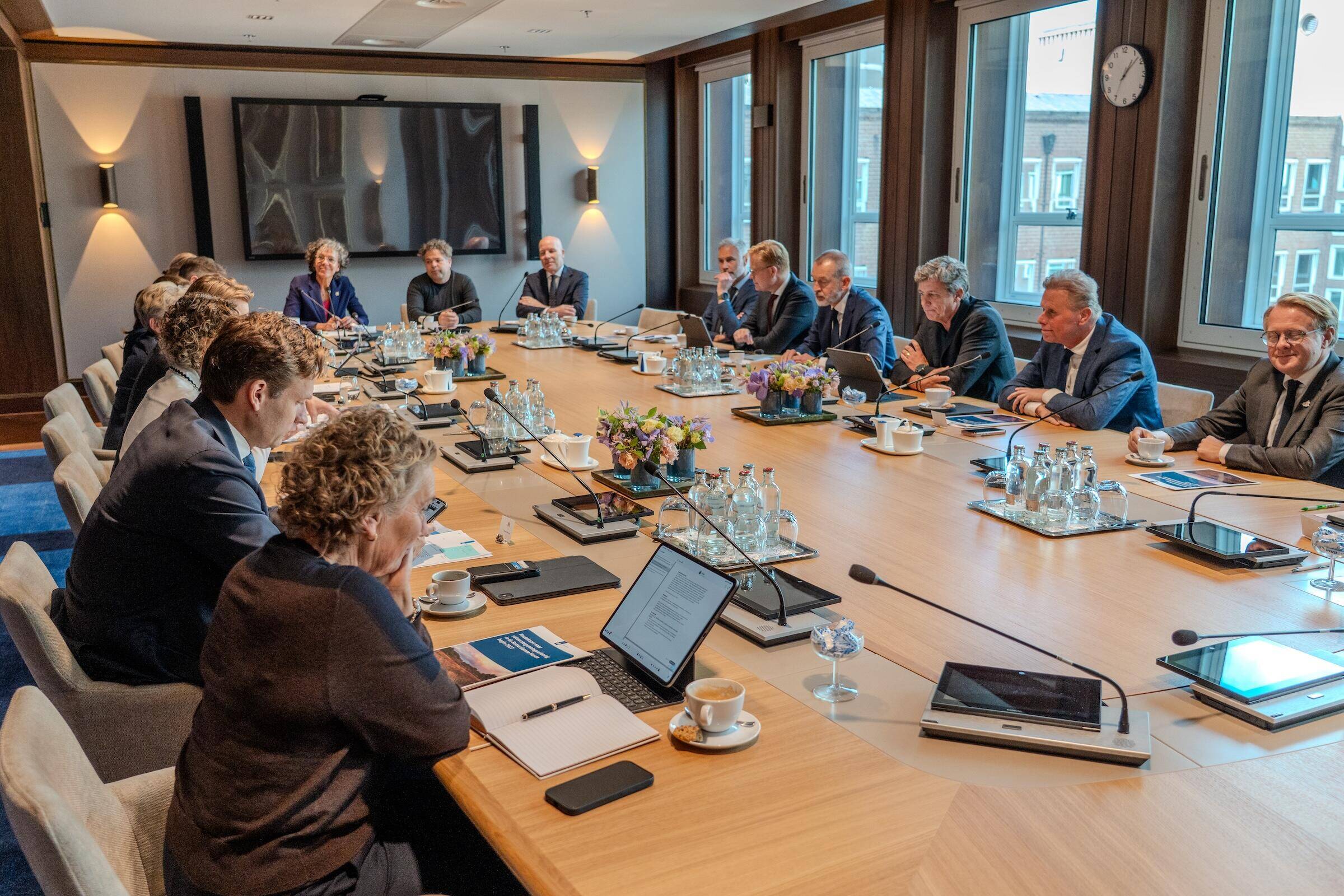
Alarm bells were ringing at the port: billions in investments were on hold. This was revealed by a survey of companies in the port, which were now threatening to take legal action. The call for measures reached central government, leading to the ‘Catshuis talks’ in mid-2025, during which the Cabinet and the ministries involved sought an area-specific solution. The Roadmap was finally presented on 8 October this year. It sets out targeted measures that aim to prevent further deterioration of nature, with the national government allocating €50 million to an implementation programme and changes to nature management plans.
And here come the rabbits: they dig tunnels in the surrounding nature reserves, giving rare plants a better chance to thrive. They are therefore an integral part of a package of measures designed to make nature more dynamic and resilient. After a long period of uncertainty, the Roadmap should ensure that permits are granted again in the western port area from 2027. This is an excellent example of how collaboration between the Port of Rotterdam Authority, companies in the port and government bodies can lead to solutions.
Grid congestion
That collaboration has also proved successful in addressing another major obstacle: grid congestion. The waiting list of companies wanting a connection is not expected to be cleared until 2032. That's another five long years of waiting. But through close collaboration between TenneT, Stedin, Deltalinqs and the Port of Rotterdam Authority, a temporary 500 MW transformer will help ease grid congestion from 2028. This means that a substantial number of companies will be able to move forward with their expansion and sustainability plans as early as the year after next. At the same time, it remains essential to develop additional solutions until permanent grid expansions have been completed and grid congestion has been resolved. That is why the Port of Rotterdam Authority and Deltalinqs will continue to work together with companies, grid operators and governments to develop additional solutions. Within both the Energy & Industry Board HIC and the New Energy Taskforce, the collaboration will continue to develop promising measures and, where possible, accelerate their implementation. For example, additional space on the grid can also be created through smarter use of existing capacity, flexibility in electricity consumption and increased electricity generation in the port area.
With high energy costs and competition from Asia, the industry continues to face significant challenges. Intensive public-private collaboration therefore remains important in the time ahead. Recharge Rotterdam is working hard to address these challenges. In any case, collaboration between the Port of Rotterdam Authority, companies in the port and government bodies has borne its first fruits.