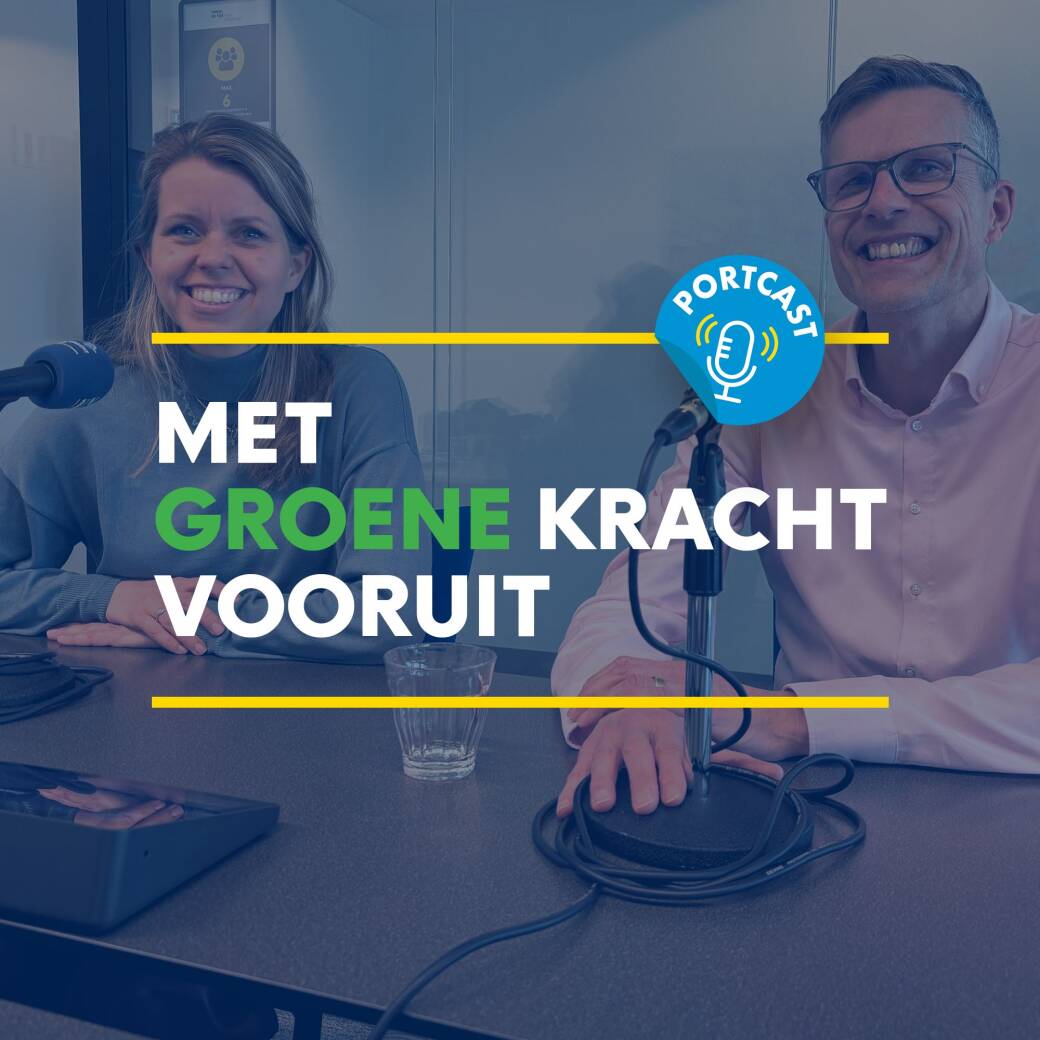
Want to know more about Recharge Rotterdam's approach, or hear how the parties involved are working on this?
Listen to the podcast Met groene kracht vooruit, season 5, episode 3:
Hoe brengen we investeringen in het havenindustriecluster in beweging? (Dutch only)
The first momentum is not only visible in ongoing projects, but also in the moment when decisions can be made again - when plans that have been uncertain for a long time gain renewed perspective.
Where movement starts
In addition, efforts are underway to increase market demand for sustainable products that can already be produced in the port. For example, a Rotterdam buyer-supplier group is being considered for the collective procurement of circular pipes and cables. A regional working group is also being established to address the end-of-waste status of residual flows, with the aim of removing bottlenecks, exploring solutions and clarifying ambiguities. Together, these initiatives create prospects for multiple simultaneous investments, such as the development of a plastic recycling hub.
Recharge Rotterdam is exploring specific solutions in collaboration with companies and public authorities. For example, various heat routes are being explored, including the further development of the steam network and opportunities for temporary local electricity generation.
The circular cluster involves investments in circular and bio-based chemistry that contribute to the raw material transition. While ambitions are high, projects stall due to a combination of factors: limited power and steam connections, restricted nitrogen space, a lack of clarity regarding residual flows and a still uncertain market for circular products.
Where circularity stalls on preconditions
As part of this approach, various potential solutions are being explored in collaboration with businesses and public authorities, including measures that could reduce electricity costs for the cluster and improve the level playing field with neighbouring countries. For example, the 2026 Spring Memorandum decided to extend the Indirect Cost Compensation (IKC) scheme for large electricity consumers. This provides greater clarity regarding the framework conditions for future investment decisions.
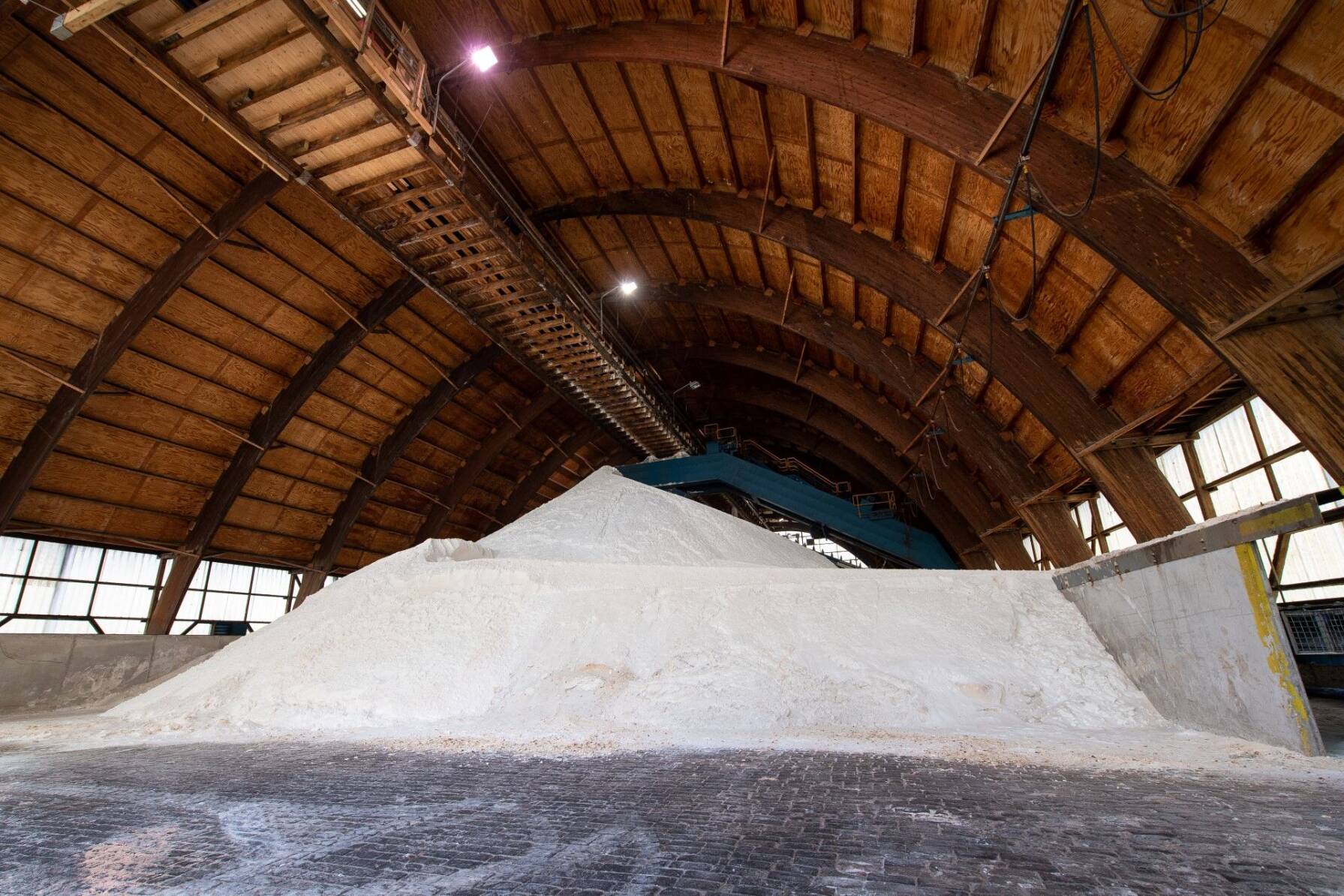
The salt chemistry cluster demonstrates how a targeted cluster-level approach can restore confidence in investments. For these highly electrified companies, high electricity costs and an uneven playing field with neighbouring countries constitute a significant obstacle to further sustainability and scaling up. Within Recharge Rotterdam, this issue has been collectively placed on the agenda, with the aim of clarifying the impact of policies and regulations on the cluster as a whole.
When electricity costs determine investments
For several topics, initial solutions are now being explored and developed, allowing a single intervention to create space for multiple investments simultaneously.
Recharge Rotterdam takes a step-by-step approach. The port industry cluster has now been segmented into various sectors, and the key investment obstacles have been identified for each. This reveals where uncertainty structurally inhibits investments and where targeted solutions can have the greatest impact.
From cluster analysis to solutions
The programme deliberately operates in that field of tension. Rather than prioritising one goal, it organises preconditions that enable progress across all three dimensions at the same time: a win-win scenario.
Recharge Rotterdam aligns with the government’s perspective on industry: a triangle in which sustainability, competitiveness and resilience are inextricably linked. Investing in sustainability without regard to competitiveness weakens the cluster. Resilience emerges when production is future-proof. We seek greater control over resources and aim to build supply chains that make us less vulnerable to geopolitical uncertainties.
Sustainability, competitiveness and resilience
These choices have consequences beyond individual companies. If production capacity is lost, sustainability, jobs and security of supply are also compromised. At the same time, downtime is not an option. The energy and raw materials transition requires pace, not inertia. We want it to happen here: 'green' here rather than 'grey' elsewhere.
That tension is tangible. Potential investments face a range of new challenges, including limited availability of electricity and steam, grid congestion, high electricity costs compared to neighbouring countries, restricted nitrogen space, lengthy permitting procedures, and legal uncertainty surrounding the definitions of waste and residual flows. Together, these factors make the implementation of plans difficult. In practice, what is technically feasible often proves hard to achieve, resulting in postponed or relocated investments.
Uncertainty hampers investments
HI FROM THE FUTURE
The port industry cluster operates as a coherent whole. Companies are interconnected through energy and raw material flows, infrastructure and logistics. This interdependence makes the cluster robust, but also vulnerable. If one link fails, multiple investments can be affected simultaneously. It is precisely that vulnerability that defines the current tension in the sector.
One cluster, many dependencies
The challenge, however, lies in implementation. Many business investments stagnate, not because companies lack willingness, but because crucial preconditions are missing. These preconditions are rarely achievable by a single company and relate to the broader system surrounding each business. Yet Rotterdam has considerable potential to lead in new, sustainable production chains that contribute to CO₂ reduction and promote circularity in the future.
Recharge Rotterdam was established to contribute precisely where bottlenecks converge and investment decisions are made. In the port and industrial cluster, more than €20 billion in investments in the energy and raw materials transition is possible, with a potential reduction of approximately 14 million tonnes of CO₂ emissions per year.
Companies in the port of Rotterdam and surrounding industrial cluster understand what it takes to increase sustainability: electrify processes, switch to hydrogen, use raw materials and energy more efficiently. Technologically, much is possible.
The plans are in place. But many of these investments are not moving forward. Bottlenecks in infrastructure, regulation and market conditions are holding them back.
Scroll down
Recharge Rotterdam
Investments on the move again
Want to know more about Recharge Rotterdam's approach, or hear how the parties involved are working on this?
Listen to the podcast Met groene kracht vooruit, season 5, episode 3:
Hoe brengen we investeringen in het havenindustriecluster in beweging? (Dutch only)
The first momentum is not only visible in ongoing projects, but also in the moment when decisions can be made again - when plans that have been uncertain for a long time gain renewed perspective.
Where movement starts
In addition, efforts are underway to increase market demand for sustainable products that can already be produced in the port. For example, a Rotterdam buyer-supplier group is being considered for the collective procurement of circular pipes and cables. A regional working group is also being established to address the end-of-waste status of residual flows, with the aim of removing bottlenecks, exploring solutions and clarifying ambiguities. Together, these initiatives create prospects for multiple simultaneous investments, such as the development of a plastic recycling hub.
Recharge Rotterdam is exploring specific solutions in collaboration with companies and public authorities. For example, various heat routes are being explored, including the further development of the steam network and opportunities for temporary local electricity generation.
The circular cluster involves investments in circular and bio-based chemistry that contribute to the raw material transition. While ambitions are high, projects stall due to a combination of factors: limited power and steam connections, restricted nitrogen space, a lack of clarity regarding residual flows and a still uncertain market for circular products.
Where circularity stalls on preconditions
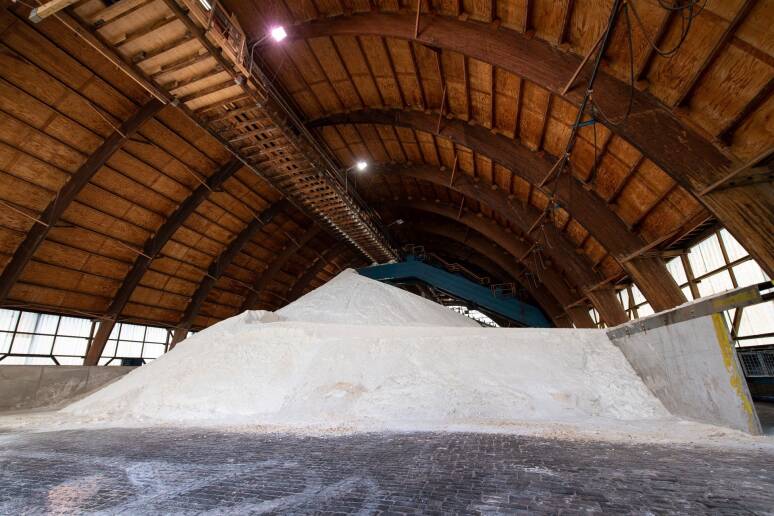
As part of this approach, various potential solutions are being explored in collaboration with businesses and public authorities, including measures that could reduce electricity costs for the cluster and improve the level playing field with neighbouring countries. For example, the 2026 Spring Memorandum decided to extend the Indirect Cost Compensation (IKC) scheme for large electricity consumers. This provides greater clarity regarding the framework conditions for future investment decisions.
The salt chemistry cluster demonstrates how a targeted cluster-level approach can restore confidence in investments. For these highly electrified companies, high electricity costs and an uneven playing field with neighbouring countries constitute a significant obstacle to further sustainability and scaling up. Within Recharge Rotterdam, this issue has been collectively placed on the agenda, with the aim of clarifying the impact of policies and regulations on the cluster as a whole.
When electricity costs determine investments
For several topics, initial solutions are now being explored and developed, allowing a single intervention to create space for multiple investments simultaneously.
Recharge Rotterdam takes a step-by-step approach. The port industry cluster has now been segmented into various sectors, and the key investment obstacles have been identified for each. This reveals where uncertainty structurally inhibits investments and where targeted solutions can have the greatest impact.
From cluster analysis to solutions
The programme deliberately operates in that field of tension. Rather than prioritising one goal, it organises preconditions that enable progress across all three dimensions at the same time: a win-win scenario.
Recharge Rotterdam aligns with the government’s perspective on industry: a triangle in which sustainability, competitiveness and resilience are inextricably linked. Investing in sustainability without regard to competitiveness weakens the cluster. Resilience emerges when production is future-proof. We seek greater control over resources and aim to build supply chains that make us less vulnerable to geopolitical uncertainties.
Sustainability, competitiveness and resilience
These choices have consequences beyond individual companies. If production capacity is lost, sustainability, jobs and security of supply are also compromised. At the same time, downtime is not an option. The energy and raw materials transition requires pace, not inertia. We want it to happen here: 'green' here rather than 'grey' elsewhere.
That tension is tangible. Potential investments face a range of new challenges, including limited availability of electricity and steam, grid congestion, high electricity costs compared to neighbouring countries, restricted nitrogen space, lengthy permitting procedures, and legal uncertainty surrounding the definitions of waste and residual flows. Together, these factors make the implementation of plans difficult. In practice, what is technically feasible often proves hard to achieve, resulting in postponed or relocated investments.
Uncertainty hampers investments
Companies in the port of Rotterdam and surrounding industrial cluster understand what it takes to increase sustainability: electrify processes, switch to hydrogen, use raw materials and energy more efficiently. Technologically, much is possible.
The plans are in place. But many of these investments are not moving forward. Bottlenecks in infrastructure, regulation and market conditions are holding them back.
HI FROM THE FUTURE
Recharge Rotterdam
Investments on the move again
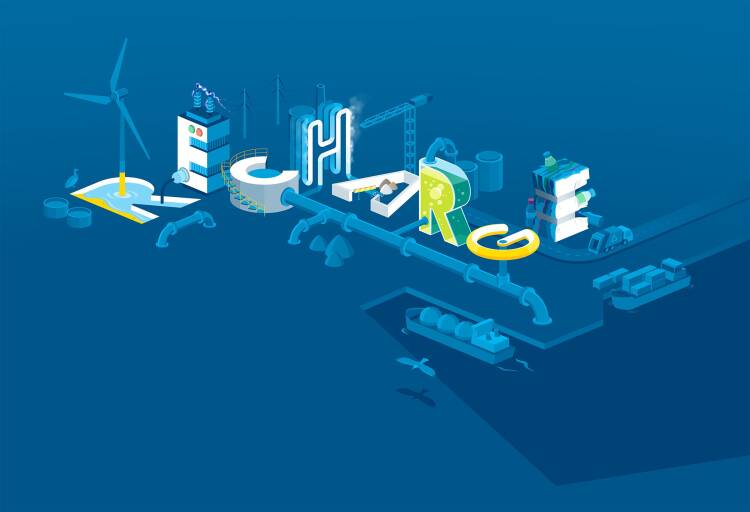
The port industry cluster operates as a coherent whole. Companies are interconnected through energy and raw material flows, infrastructure and logistics. This interdependence makes the cluster robust, but also vulnerable. If one link fails, multiple investments can be affected simultaneously. It is precisely that vulnerability that defines the current tension in the sector.
One cluster, many dependencies
The challenge, however, lies in implementation. Many business investments stagnate, not because companies lack willingness, but because crucial preconditions are missing. These preconditions are rarely achievable by a single company and relate to the broader system surrounding each business. Yet Rotterdam has considerable potential to lead in new, sustainable production chains that contribute to CO₂ reduction and promote circularity in the future.
Recharge Rotterdam was established to contribute precisely where bottlenecks converge and investment decisions are made. In the port and industrial cluster, more than €20 billion in investments in the energy and raw materials transition is possible, with a potential reduction of approximately 14 million tonnes of CO₂ emissions per year.