Scroll down
‘If everything runs smoothly, an outsider probably won’t notice much,’ François continues. ‘But that is precisely the intention: to keep the supply chain running. Behind that apparent simplicity lies a world of planning, collaboration and continuous adaptation. Deepsea container terminals are an indispensable link in global trade. They connect continents, markets and people. In Rotterdam, this happens on a large scale, day and night. It's a wonderful challenge to contribute to that every day.’
He is regarded as someone who is driven and keen to make progress. ‘That can sometimes come across as strict, I'm told,’ he says with a smile. ‘It’s really not that bad, I'm strict about content, not about people. Ultimately, it's about achieving something good together. And that's what we commit to every day.’
What François values most about his work is the space people get to take initiative. ‘ECT is an organisation of opportunities,’ he says. ‘If you have a good idea, you can take it forward. This culture generates energy and engagement. People genuinely want to contribute. You see that every day.’
Proud of what's possible
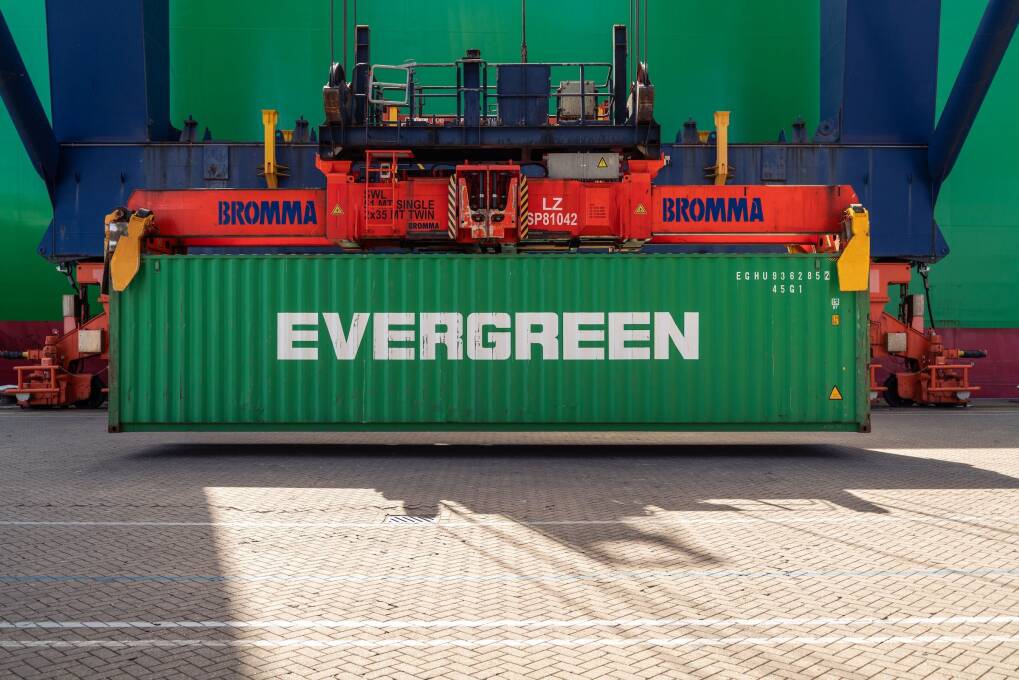
In recent years, there has been a growing recognition that the world is becoming less predictable. ‘We now think more in terms of scenarios,’ says François. ‘What if events unfold differently than expected? You can't leave everything to others. You have to think for yourself and be prepared. This demands a different way of working. We aim to be agile so that we can respond to changes, while at the same time remaining reliable for our clients.’
Looking ahead in an uncertain world
François continues, ‘Safety is a core part of our work. Today, this is not only about physical and social safety, but also about digital safety. A terminal is also a digital system. We have to manage that with great care.’
Sustainability is a major consideration. ‘We need to think about how to reduce our impact and work more efficiently,’ says François. ‘That applies to everything: from energy use to logistical planning.’
This is not an easy task. The world is changing rapidly, with sustainability, digitalisation and new regulations all playing a role. ‘You want to remain flexible, but you also have to make choices,’ he says. ‘That can sometimes create a field of tension.’
You don't build a terminal for just a few years. ‘The decisions you make often last twenty to thirty years,’ explains François. ‘That means you have to think carefully about the long-term future.’
Long-term choices
At the same time, automation also raises questions. ‘People sometimes worry that their jobs will disappear,’ says François. ‘But in practice, the work is changing rather than disappearing. We still need a great many people, but with different skills.’
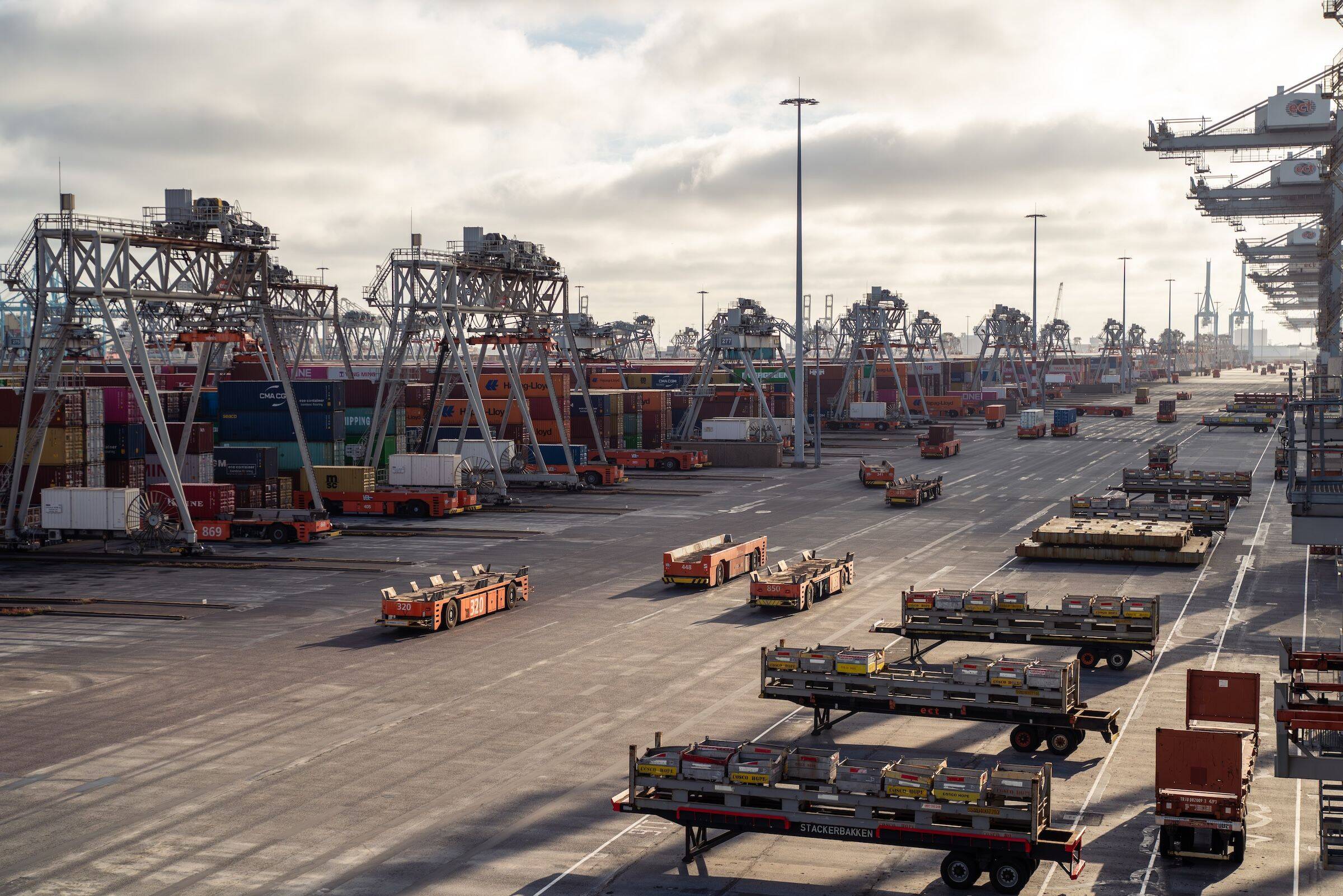
‘In the early years, much of the work was still done manually,’ says François. ‘Later, we began automating. That was true pioneering. We experimented, sometimes made mistakes and kept moving forward. Automation was essential to keep pace with the growth of container volumes. Without that development, we would not be where we are today.’
ECT has been around for sixty years. During that time, the sector has changed considerably. The introduction of the container transformed the way the industry operates. Standardisation made it possible to work faster and more efficiently.
From pioneer to mature sector
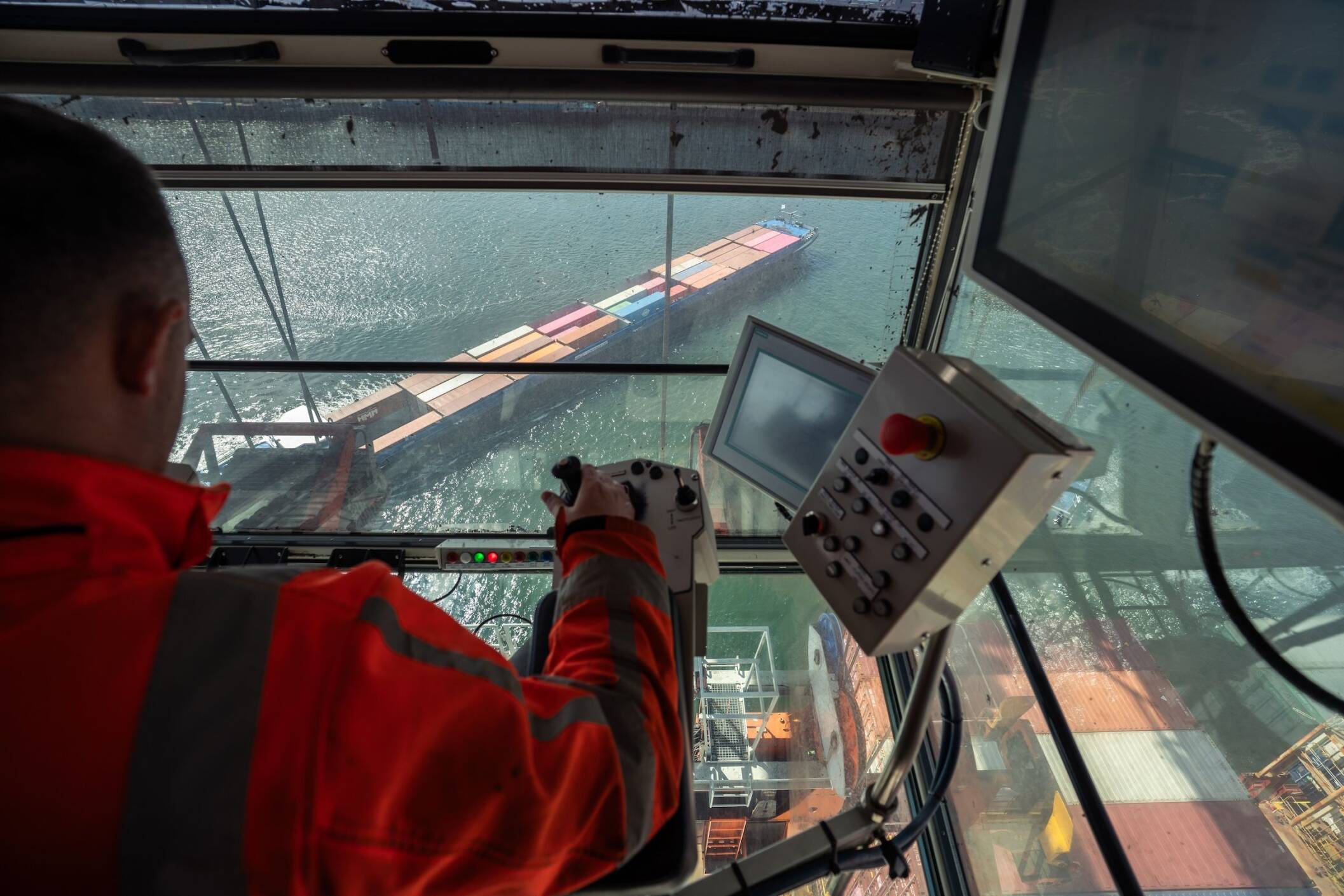
‘In total, we employ around 1,800 people,’ says François. ‘Everyone plays a role; from the colleague on the quays to the planner in the office. Technology is playing an increasingly important part. Processes are becoming automated, and data helps us plan and predict more efficiently. The human factor remains indispensable. Ultimately, people make the difference,’ François emphasises. ‘They ensure everything comes together.’
Keeping a terminal running requires a wide range of expertise. Operators and engineers work at the terminals doing the physical work. In addition, there are technicians who maintain the equipment, and IT specialists ensure that the systems continue to run smoothly.
The power of people and technology
What makes the work unique is the constant change. ‘Something is always happening here,’ says François. ‘It could be a technical challenge, or a sudden shift in the market. Sometimes that change originates far beyond the terminal. International developments have a direct impact on our operations. For example, if sanctions are introduced, they can affect what we do within a matter of hours,’ he explains. ‘Then you have to adapt quickly. This dynamic environment requires flexibility and collaboration. You can’t assume that tomorrow will be the same as today. That simply doesn't work here.’
In constant motion
‘A large vessel can carry more than €1 billion worth of freight,’ says François. ‘And all those containers have to reach the right place in the supply chain at exactly the right time.’
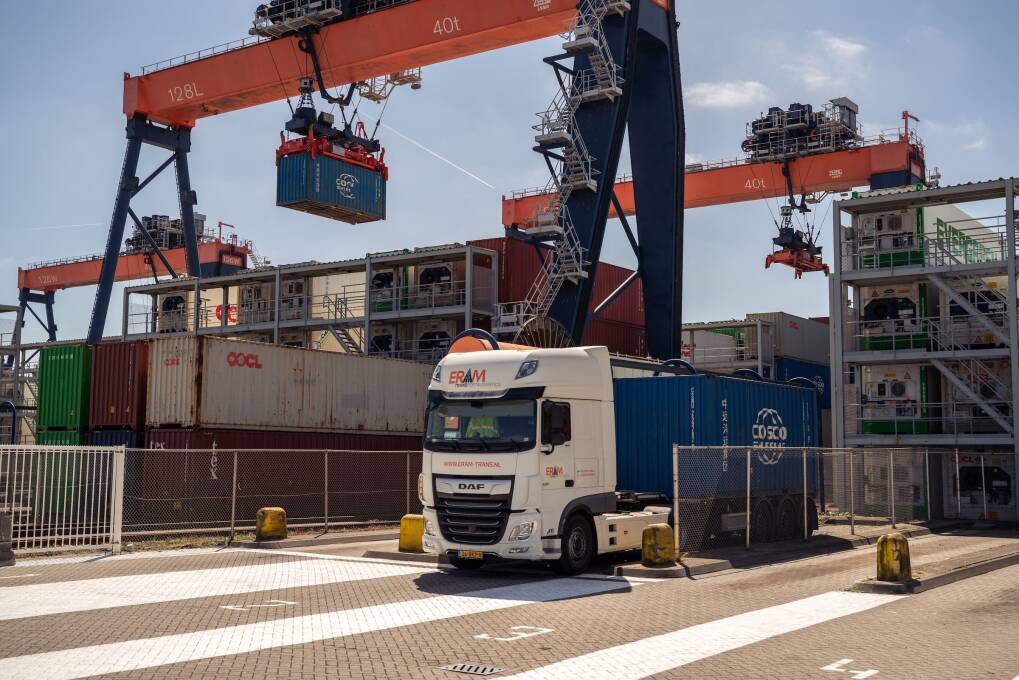
Every year, ECT's network processes millions of TEU of containers. Each container has its own destination, schedule and cargo owner. A single vessel can carry cargo for thousands of clients, ranging from raw materials to consumer goods.
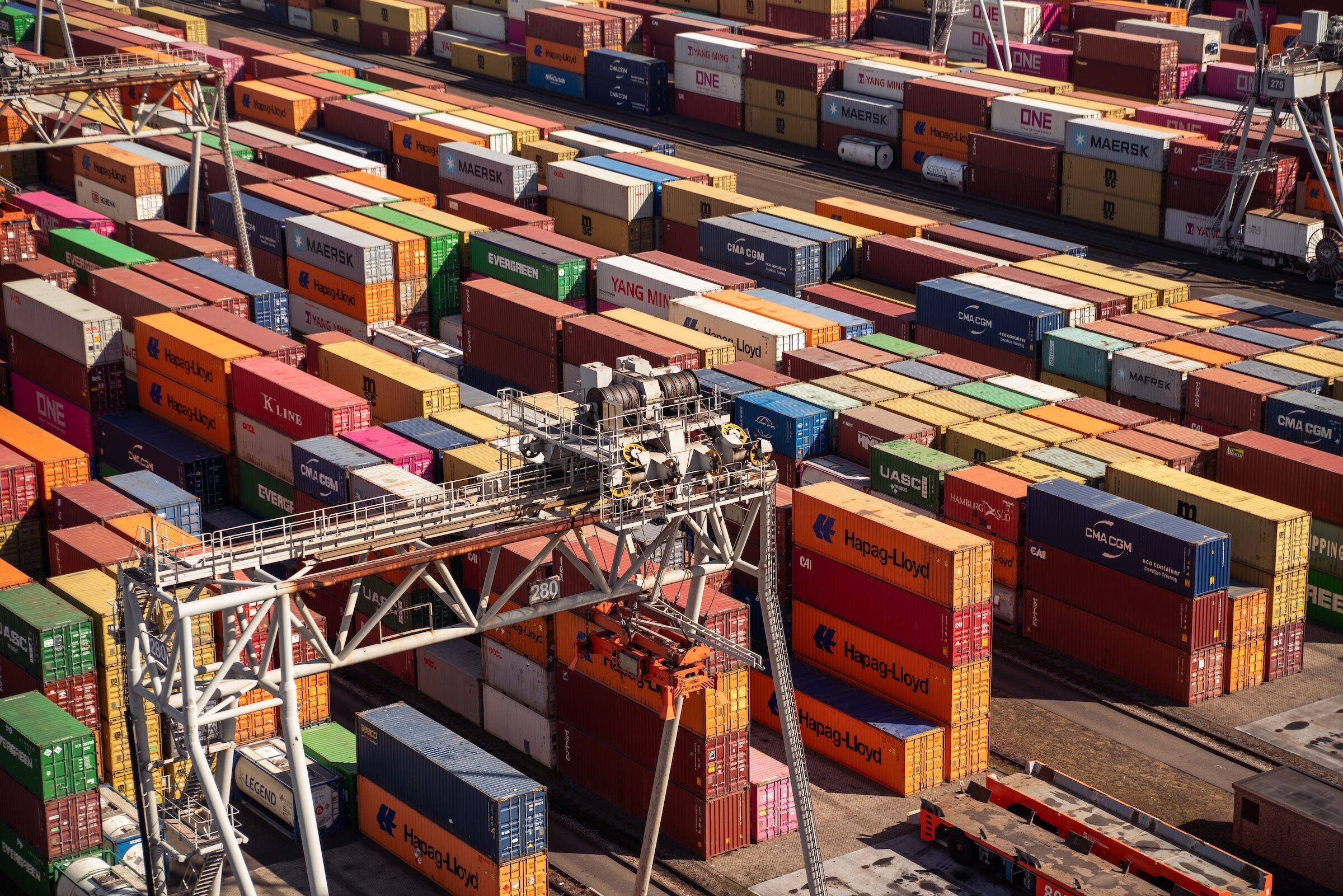
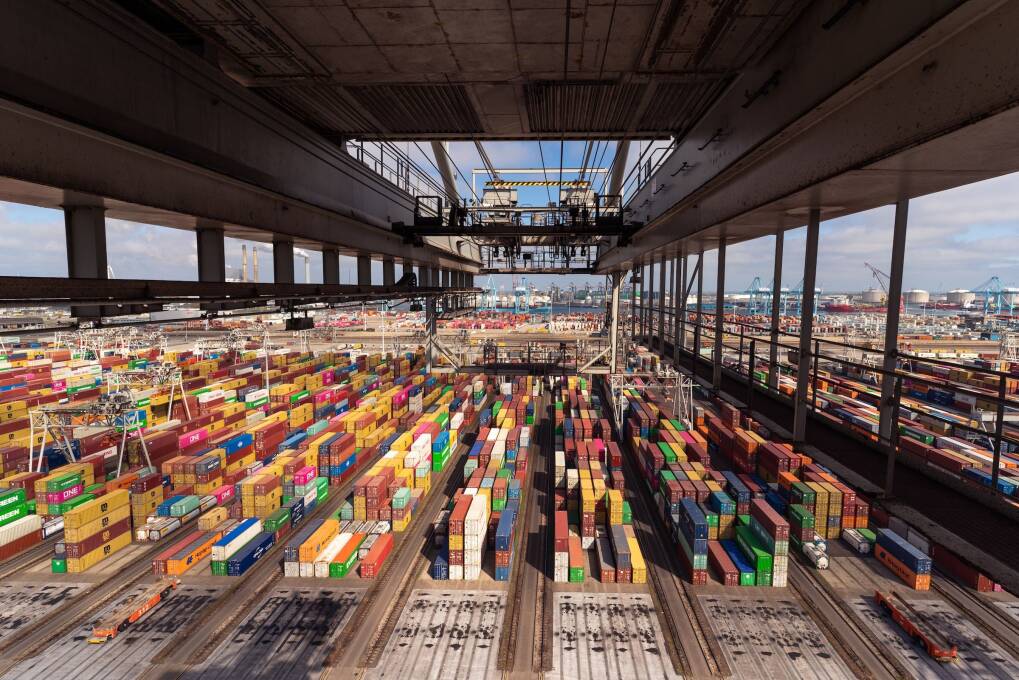
‘You're looking at one vessel, but there's a whole system behind it,’ he explains. ‘In addition to sea-going vessels, you also have inland vessels, feeders, trains and trucks. Everything has to fit together precisely. And we do that with thousands of containers at the same time.’
A deepsea container terminal is where large sea-going vessels dock, and where containers are loaded and unloaded. But according to François, the word ‘terminal’ doesn't fully capture the scale of what is happening.
A world behind the quay
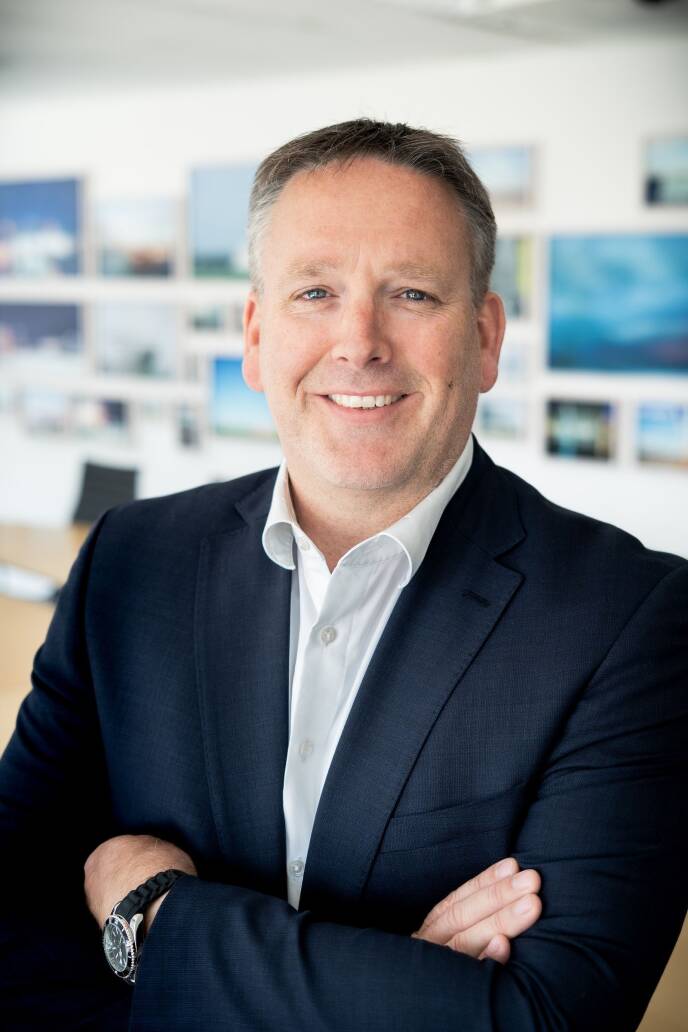
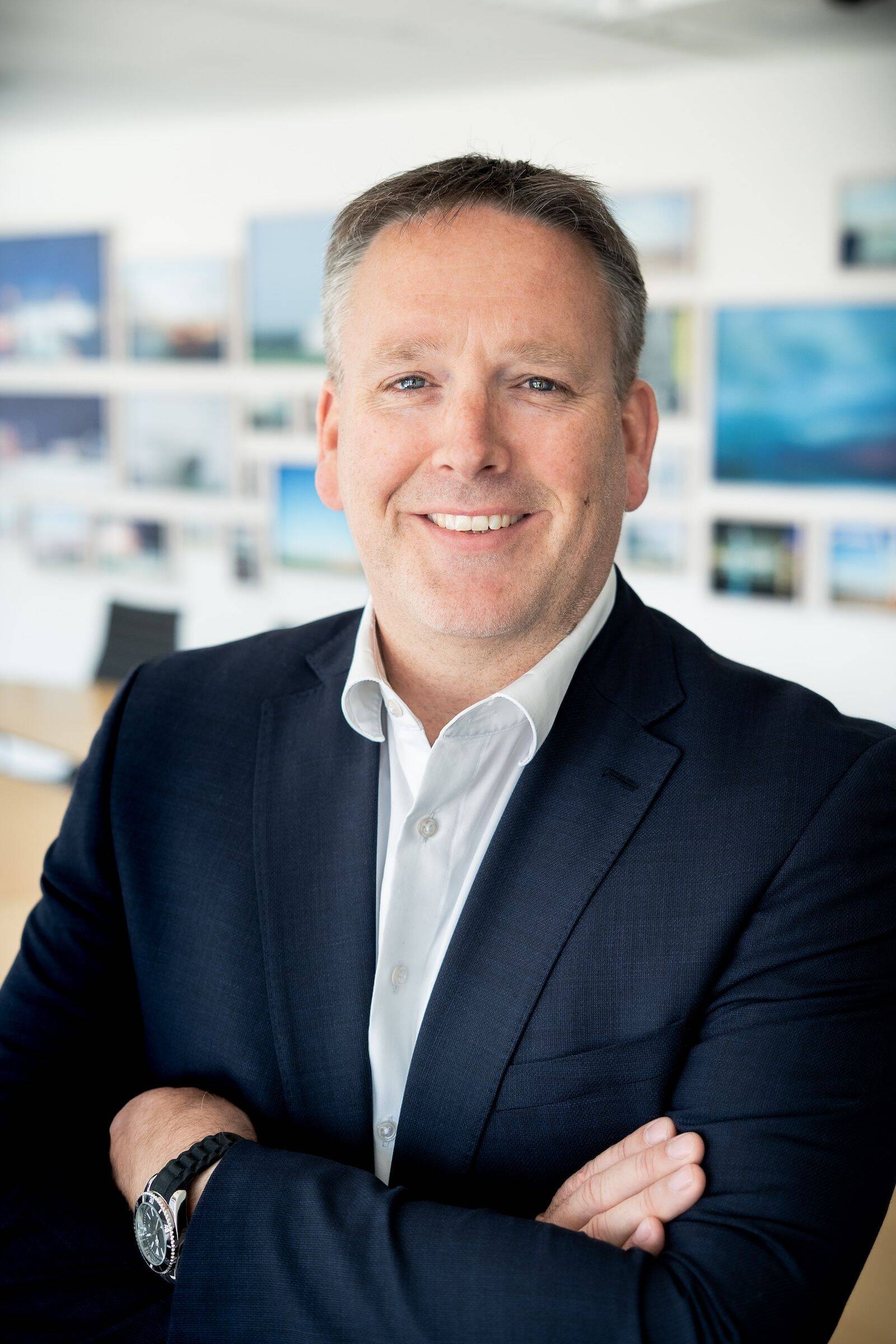
In this edition, we speak to François Bello, Chief Operating Officer at Hutchison Ports ECT Rotterdam (ECT), who has worked in the container sector for more than twenty years and has witnessed significant changes to the port during that time. ‘Sometimes what we do seems simple,’ he says. ‘But the scale and complexity are enormous.’
‘Behind every container, there is a world of choices and collaboration’.
The largest container ships in the world dock at the Maasvlakte every day. From a distance, it seems straightforward: a vessel arrives, is unloaded and reloaded, then leaves again. But if you look closer, you will see a much larger reality. Behind every container is a chain of people, systems and decisions. It’s an operation that never stops. Take a look behind the scenes at a deepsea container terminal.
Behind the scenes:
Deepsea container terminals
BEHIND THE SCENES
In recent years, there has been a growing recognition that the world is becoming less predictable. ‘We now think more in terms of scenarios,’ says François. ‘What if events unfold differently than expected? You can't leave everything to others. You have to think for yourself and be prepared. This demands a different way of working. We aim to be agile so that we can respond to changes, while at the same time remaining reliable for our clients.’
Looking ahead in an uncertain world
‘If everything runs smoothly, an outsider probably won’t notice much,’ François continues. ‘But that is precisely the intention: to keep the supply chain running. Behind that apparent simplicity lies a world of planning, collaboration and continuous adaptation. Deepsea container terminals are an indispensable link in global trade. They connect continents, markets and people. In Rotterdam, this happens on a large scale, day and night. It's a wonderful challenge to contribute to that every day.’
He is regarded as someone who is driven and keen to make progress. ‘That can sometimes come across as strict, I'm told,’ he says with a smile. ‘It’s really not that bad, I'm strict about content, not about people. Ultimately, it's about achieving something good together. And that's what we commit to every day.’
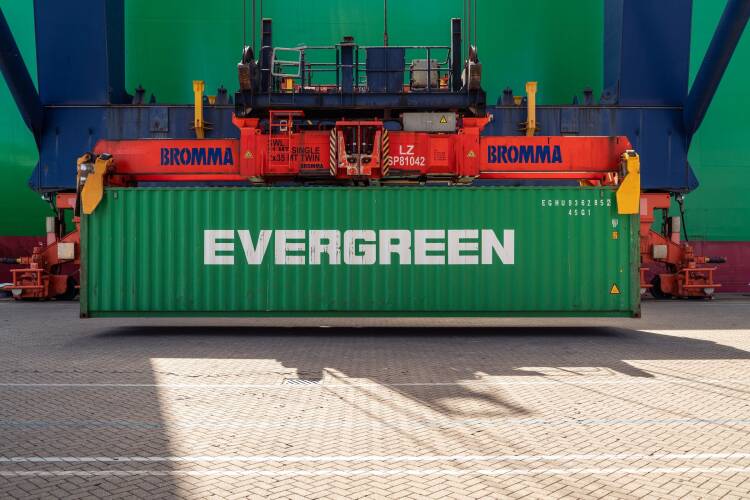
What François values most about his work is the space people get to take initiative. ‘ECT is an organisation of opportunities,’ he says. ‘If you have a good idea, you can take it forward. This culture generates energy and engagement. People genuinely want to contribute. You see that every day.’
Proud of what's possible
François continues, ‘Safety is a core part of our work. Today, this is not only about physical and social safety, but also about digital safety. A terminal is also a digital system. We have to manage that with great care.’
Sustainability is a major consideration. ‘We need to think about how to reduce our impact and work more efficiently,’ says François. ‘That applies to everything: from energy use to logistical planning.’
This is not an easy task. The world is changing rapidly, with sustainability, digitalisation and new regulations all playing a role. ‘You want to remain flexible, but you also have to make choices,’ he says. ‘That can sometimes create a field of tension.’
You don't build a terminal for just a few years. ‘The decisions you make often last twenty to thirty years,’ explains François. ‘That means you have to think carefully about the long-term future.’
Long-term choices
At the same time, automation also raises questions. ‘People sometimes worry that their jobs will disappear,’ says François. ‘But in practice, the work is changing rather than disappearing. We still need a great many people, but with different skills.’
‘In the early years, much of the work was still done manually,’ says François. ‘Later, we began automating. That was true pioneering. We experimented, sometimes made mistakes and kept moving forward. Automation was essential to keep pace with the growth of container volumes. Without that development, we would not be where we are today.’
ECT has been around for sixty years. During that time, the sector has changed considerably. The introduction of the container transformed the way the industry operates. Standardisation made it possible to work faster and more efficiently.
From pioneer to mature sector
‘In total, we employ around 1,800 people,’ says François. ‘Everyone plays a role; from the colleague on the quays to the planner in the office. Technology is playing an increasingly important part. Processes are becoming automated, and data helps us plan and predict more efficiently. The human factor remains indispensable. Ultimately, people make the difference,’ François emphasises. ‘They ensure everything comes together.’
Keeping a terminal running requires a wide range of expertise. Operators and engineers work at the terminals doing the physical work. In addition, there are technicians who maintain the equipment, and IT specialists ensure that the systems continue to run smoothly.
The power of people and technology
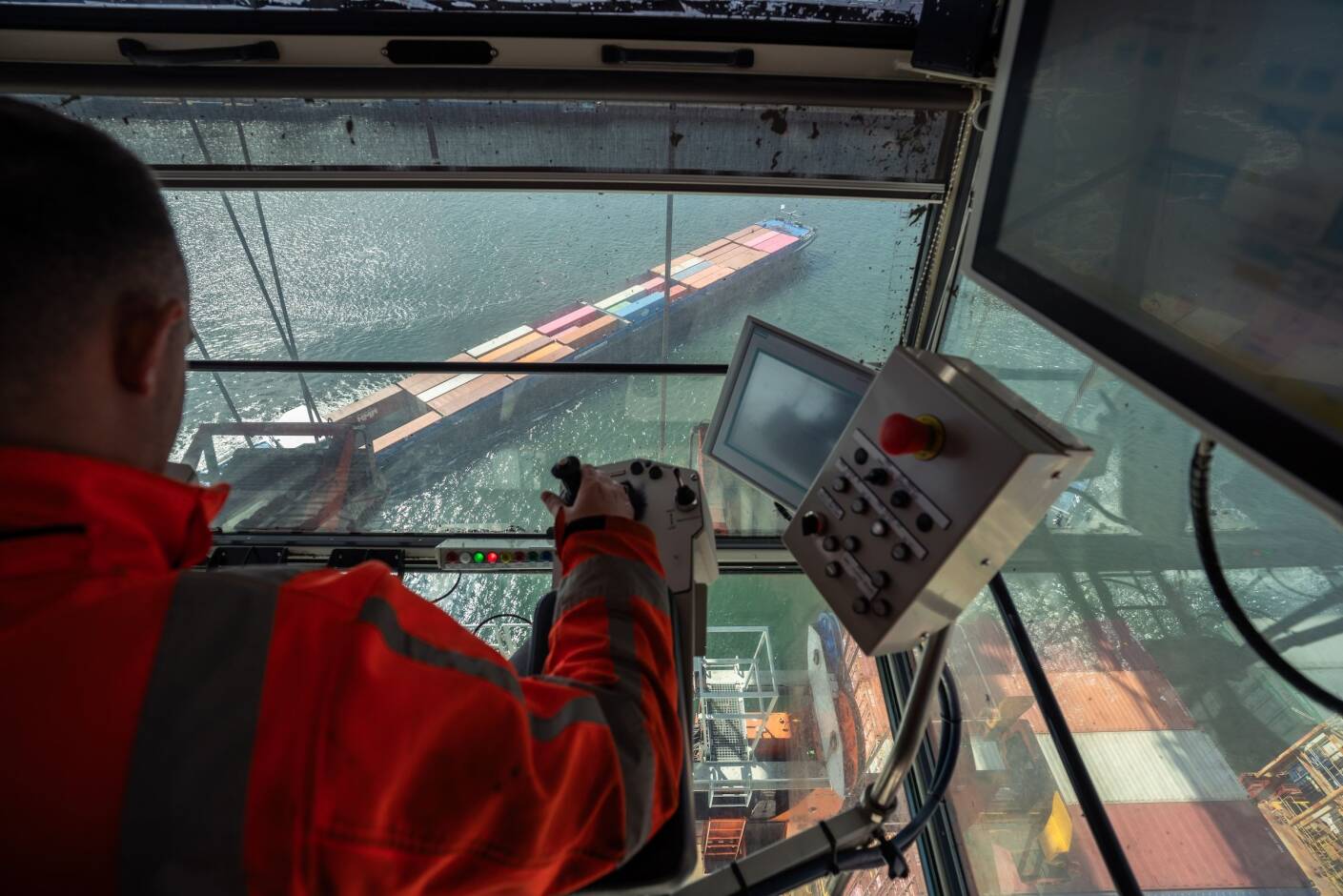
What makes the work unique is the constant change. ‘Something is always happening here,’ says François. ‘It could be a technical challenge, or a sudden shift in the market. Sometimes that change originates far beyond the terminal. International developments have a direct impact on our operations. For example, if sanctions are introduced, they can affect what we do within a matter of hours,’ he explains. ‘Then you have to adapt quickly. This dynamic environment requires flexibility and collaboration. You can’t assume that tomorrow will be the same as today. That simply doesn't work here.’
In constant motion
‘A large vessel can carry more than €1 billion worth of freight,’ says François. ‘And all those containers have to reach the right place in the supply chain at exactly the right time.’
Every year, ECT's network processes millions of TEU of containers. Each container has its own destination, schedule and cargo owner. A single vessel can carry cargo for thousands of clients, ranging from raw materials to consumer goods.
‘You're looking at one vessel, but there's a whole system behind it,’ he explains. ‘In addition to sea-going vessels, you also have inland vessels, feeders, trains and trucks. Everything has to fit together precisely. And we do that with thousands of containers at the same time.’
A deepsea container terminal is where large sea-going vessels dock, and where containers are loaded and unloaded. But according to François, the word ‘terminal’ doesn't fully capture the scale of what is happening.
A world behind the quay
In this edition, we speak to François Bello, Chief Operating Officer at Hutchison Ports ECT Rotterdam (ECT), who has worked in the container sector for more than twenty years and has witnessed significant changes to the port during that time. ‘Sometimes what we do seems simple,’ he says. ‘But the scale and complexity are enormous.’
‘Behind every container, there is a world of choices and collaboration’.
The largest container ships in the world dock at the Maasvlakte every day. From a distance, it seems straightforward: a vessel arrives, is unloaded and reloaded, then leaves again. But if you look closer, you will see a much larger reality. Behind every container is a chain of people, systems and decisions. It’s an operation that never stops. Take a look behind the scenes at a deepsea container terminal.
Behind the scenes:
Deepsea container terminals
BEHIND THE SCENES