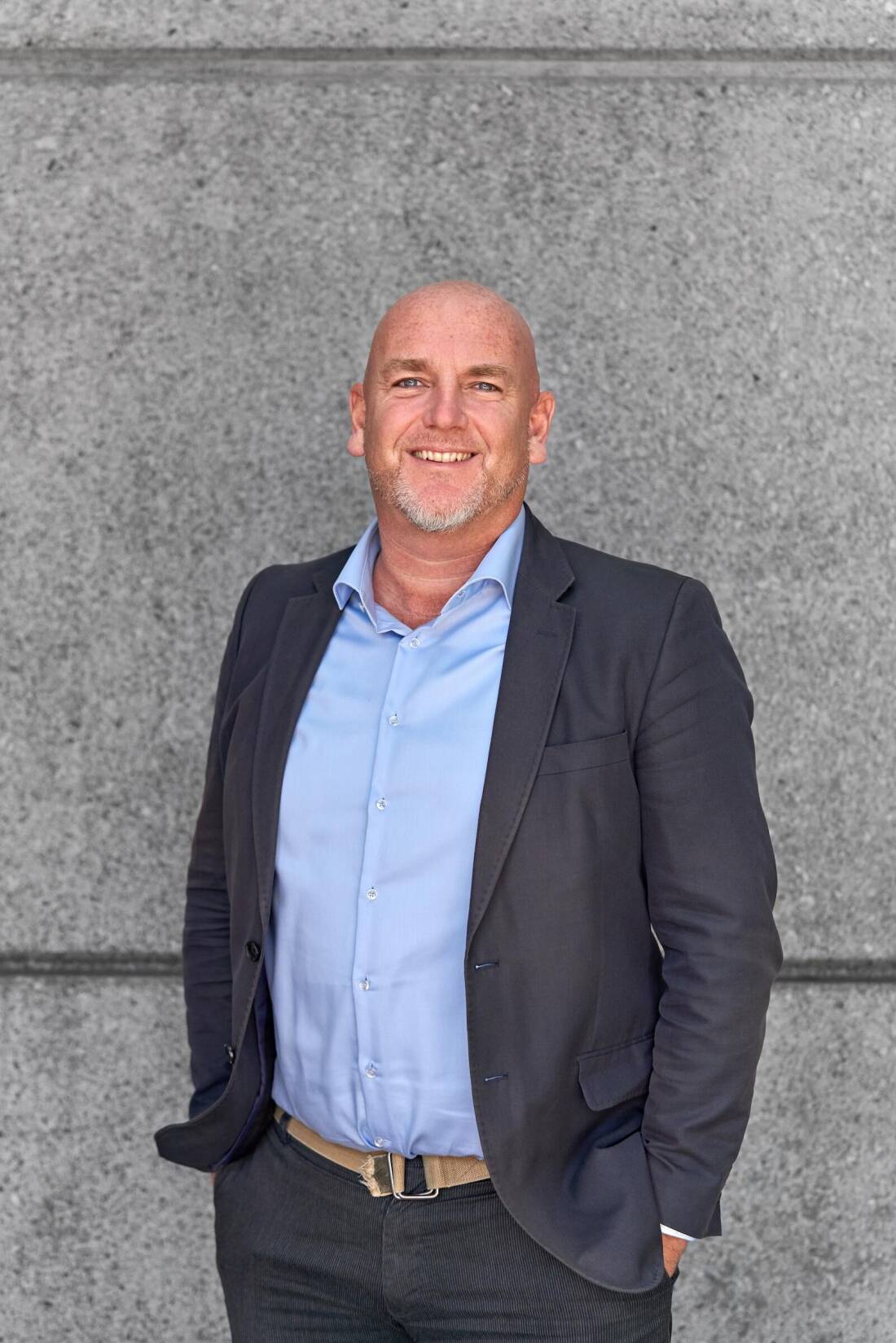
Oscar van Veen, Director of Innovation, Port of Rotterdam Authority
'It’s about turning those rock-solid components into an innovation engine that works just as well in practice as it does on paper.'
Oscar van Veen
Please contact us
Van Veen concludes: ‘We are in full development, but we also connect parties every day. Perhaps you have a question about funding or are facing a challenge with an idea that requires scaling up. We are happy to put you in touch with parties in the ecosystem, including incubators, accelerators, investors and professional experts. Together, we'll keep the innovation engine running.’
Where are we now? Target for 2026
The entire regional innovation ecosystem was mapped out over the past year. And we are innovating alongside other innovation hubs such as Wageningen, Noordwijk and Eindhoven, as well as with other ports such as Antwerp and Hamburg. In addition, we have identified the leader firms – the most important economic players within the port and industrial complex – and the parties that we have contracted through the tender are up and running.
Important steps for 2026 include finalising the innovation map, which will contain all parties, portfolios and developments in the port-city ecosystem, launching the trend radar, realising the public-private innovation agenda and determining the propositions that will make a difference in the port.
Another challenge that we are set to tackle involves both funding and space. We aim to connect parties with innovative ideas to investment capacity and support them with facilities and locations where they can take their ideas to the next phase.
Expanding the pie together
Oscar van Veen, Director of Innovation, Port of Rotterdam Authority
'Our alternative is to be organised together - locally, in the Netherlands and across Europe'
‘Our natural attitude – especially in Northern Europe – is to fix things ourselves. But scale is essential, otherwise it won't work,’ says Van Veen. ‘You see that innovation is achieved more quickly in other parts of the world through centralised management. Our alternative is to be organised together – locally, in the Netherlands and across Europe. We need to collaborate where possible and compete where necessary. This is how we expand the pie together, and we can all eat more of it. This approach is advantageous for companies, knowledge institutions, society, the labour market, and the prosperity and well-being in our region. It enables us to shape our own future and maintain our autonomy.’
A tender to power the engine
The Port of Rotterdam Authority does not do this alone. Oscar van Veen: ‘We aim to remove blockages and, as the Port of Rotterdam Authority, make our assets available wherever possible. The engine must run at full speed. This requires knowledge and capabilities. That is why we issued a tender and selected specialised parties and consortia for each phase that, as partners, take joint responsibility for accelerating progress and achieving the objectives of the business strategy.
In addition to the parties that will collaborate with us on knowledge and insights, monitoring and identifying business opportunities, new partnerships have also been established in the areas of network development and in accelerating new ideas and innovations.
What does this look like in practice?
Quantum technology has been designated by the EU as a key technology for the future. In terms of applicability, it is still in its early stages. Previously, such a topic might have passed us by or stalled in the research phase. In our new approach, key technologies are on the radar, and the Port of Rotterdam Authority works from a central research agenda: developments such as quantum are detected early, analysed, validated and embedded in the agenda.
This means that we are already considering issues like quantum key distribution and post-quantum encryption, new applications such as quantum sensors as an alternative to GPS, as well as the social consequences of emerging technologies. Which parties need to come together to solve these challenges? How do we involve knowledge institutions, investors and public authorities? And how do we ensure that the right people, from AI experts to highly specialised fibre optic engineers, are geared up and ready to go?
From paper to practice
‘We have world-class parties in our region that together form the innovation ecosystem,’ says Oscar van Veen, Director of Innovation. ‘We know who they are, and they know each other, but that is no guarantee of success. It's about building an innovation engine out of all those rock-solid components – one that not only looks great on paper but also runs and performs effectively in practice.'
The system comprises four phases.
1
In phase one, our trend radar and data help us pinpoint urgent priorities and the most promising opportunities. The subsequent decisions we make, provide the input for a central, public-private innovation agenda and focused portfolio.
2
In phase two, knowing our focus areas for innovation, we can rapidly build the right coalitions with the parties within the ecosystem: leader firms from the region, public authorities, knowledge institutions, industry associations and investors.
3
In phase three, these coalitions accelerate the development from ideas into mature solutions that can be applied in practice.
4
In phase four, the most promising innovations are further developed into business propositions with the appropriate funding, lobbying and participation in relevant European programmes.
HI FROM THE FUTURE
The port of Rotterdam is facing enormous challenges: the energy transition, the digital transition and the raw materials transition. Furthermore, geopolitical instability, the risk to our autonomy, pressure on business models and a changing labour market also require solutions. Innovation is essential for this but is often still organised through a fragmented approach.
The Port of Rotterdam Authority is expressly taking a different course: from separate initiatives to a system-oriented strategy. By setting up an innovation infrastructure with one central agenda, a portfolio and strong coalitions that develop, scale and implement innovations together, we are fueling an innovation engine that will propel everyone forward.
There is innovation throughout the port region: at companies, knowledge institutions, startups and public authorities. But acceleration only succeeds if we move in the same direction together. That is why the Port of Rotterdam Authority is building a robust innovation infrastructure. One that powers an innovation engine in which initiatives connect, scale and translate into impact in practice.
Scroll down
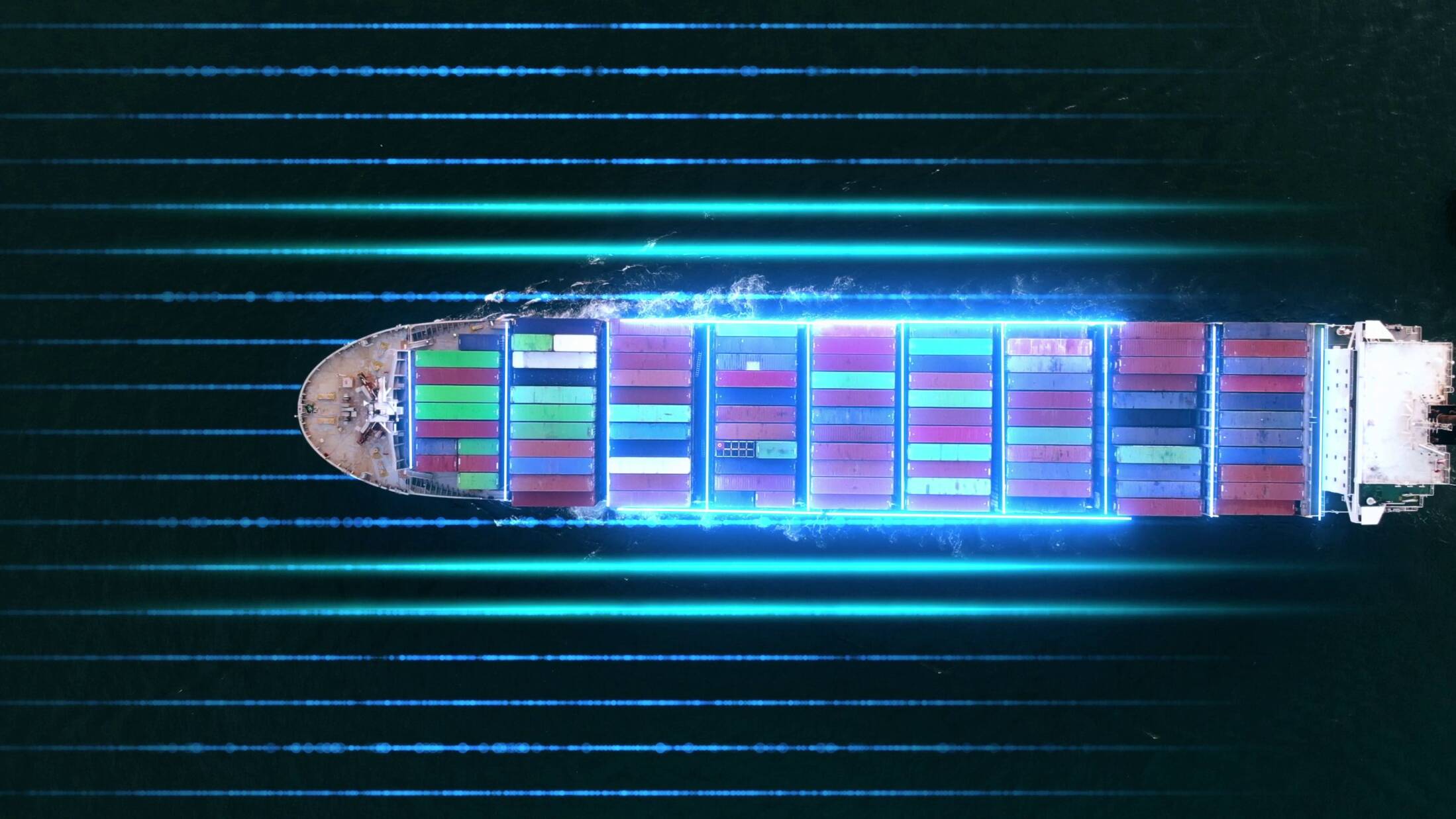
Building an innovation engine for the port of Rotterdam
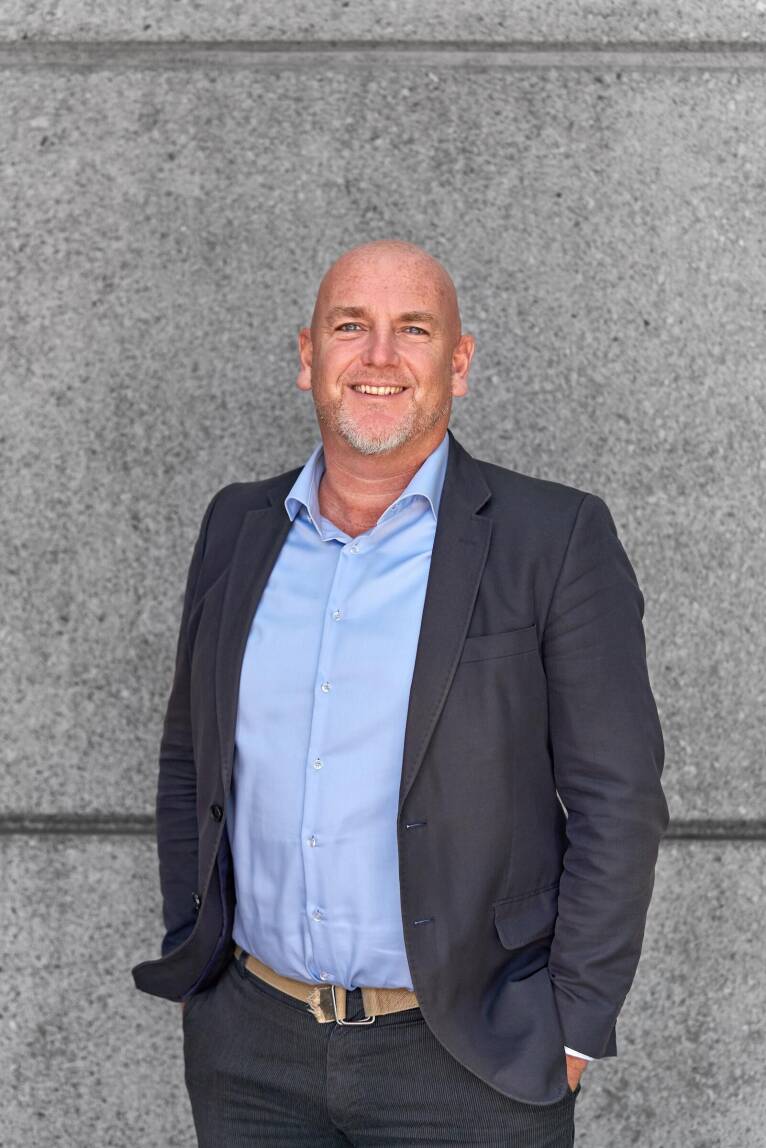
Oscar van Veen, Director of Innovation, Port of Rotterdam Authority
'It’s about turning those rock-solid components into an innovation engine that works just as well in practice as it does on paper.'
Oscar van Veen
Please contact us
Van Veen concludes: ‘We are in full development, but we also connect parties every day. Perhaps you have a question about funding or are facing a challenge with an idea that requires scaling up. We are happy to put you in touch with parties in the ecosystem, including incubators, accelerators, investors and professional experts. Together, we'll keep the innovation engine running.’
The entire regional innovation ecosystem was mapped out over the past year. And we are innovating alongside other innovation hubs such as Wageningen, Noordwijk and Eindhoven, as well as with other ports such as Antwerp and Hamburg. In addition, we have identified the leader firms – the most important economic players within the port and industrial complex – and the parties that we have contracted through the tender are up and running.
Important steps for 2026 include finalising the innovation map, which will contain all parties, portfolios and developments in the port-city ecosystem, launching the trend radar, realising the public-private innovation agenda and determining the propositions that will make a difference in the port.
Another challenge that we are set to tackle involves both funding and space. We aim to connect parties with innovative ideas to investment capacity and support them with facilities and locations where they can take their ideas to the next phase.
Where are we now? Target for 2026
Oscar van Veen, Director of Innovation, Port of Rotterdam Authority
'Our alternative is to be organised together - locally, in the Netherlands and across Europe'
‘Our natural attitude – especially in Northern Europe – is to fix things ourselves. But scale is essential, otherwise it won't work,’ says Van Veen. ‘You see that innovation is achieved more quickly in other parts of the world through centralised management. Our alternative is to be organised together – locally, in the Netherlands and across Europe. We need to collaborate where possible and compete where necessary. This is how we expand the pie together, and we can all eat more of it. This approach is advantageous for companies, knowledge institutions, society, the labour market, and the prosperity and well-being in our region. It enables us to shape our own future and maintain our autonomy.’
Expanding the pie together
The Port of Rotterdam Authority does not do this alone. Oscar van Veen: ‘We aim to remove blockages and, as the Port of Rotterdam Authority, make our assets available wherever possible. The engine must run at full speed. This requires knowledge and capabilities. That is why we issued a tender and selected specialised parties and consortia for each phase that, as partners, take joint responsibility for accelerating progress and achieving the objectives of the business strategy.
In addition to the parties that will collaborate with us on knowledge and insights, monitoring and identifying business opportunities, new partnerships have also been established in the areas of network development and in accelerating new ideas and innovations.
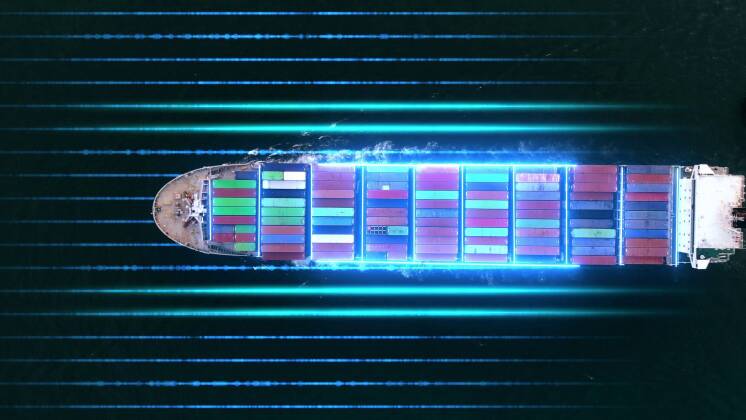
A tender to power the engine
Quantum technology has been designated by the EU as a key technology for the future. In terms of applicability, it is still in its early stages. Previously, such a topic might have passed us by or stalled in the research phase. In our new approach, key technologies are on the radar, and the Port of Rotterdam Authority works from a central research agenda: developments such as quantum are detected early, analysed, validated and embedded in the agenda.
This means that we are already considering issues like quantum key distribution and post-quantum encryption, new applications such as quantum sensors as an alternative to GPS, as well as the social consequences of emerging technologies. Which parties need to come together to solve these challenges? How do we involve knowledge institutions, investors and public authorities? And how do we ensure that the right people, from AI experts to highly specialised fibre optic engineers, are geared up and ready to go?
What does this look like in practice?
In phase four, the most promising innovations are further developed into business propositions with the appropriate funding, lobbying and participation in relevant European programmes.
In phase three, these coalitions accelerate the development from ideas into mature solutions that can be applied in practice.
In phase two, knowing our focus areas for innovation, we can rapidly build the right coalitions with the parties within the ecosystem: leader firms from the region, public authorities, knowledge institutions, industry associations and investors.
4
3
2
In phase one, our trend radar and data help us pinpoint urgent priorities and the most promising opportunities. The subsequent decisions we make, provide the input for a central, public-private innovation agenda and focused portfolio.
1
The system comprises four phases.
‘We have world-class parties in our region that together form the innovation ecosystem,’ says Oscar van Veen, Director of Innovation. ‘We know who they are, and they know each other, but that is no guarantee of success. It's about building an innovation engine out of all those rock-solid components – one that not only looks great on paper but also runs and performs effectively in practice.'
From paper to practice
The port of Rotterdam is facing enormous challenges: the energy transition, the digital transition and the raw materials transition. Furthermore, geopolitical instability, the risk to our autonomy, pressure on business models and a changing labour market also require solutions. Innovation is essential for this but is often still organised through a fragmented approach.
The Port of Rotterdam Authority is expressly taking a different course: from separate initiatives to a system-oriented strategy. By setting up an innovation infrastructure with one central agenda, a portfolio and strong coalitions that develop, scale and implement innovations together, we are fueling an innovation engine that will propel everyone forward.
There is innovation throughout the port region: at companies, knowledge institutions, startups and public authorities. But acceleration only succeeds if we move in the same direction together. That is why the Port of Rotterdam Authority is building a robust innovation infrastructure. One that powers an innovation engine in which initiatives connect, scale and translate into impact in practice.
HI FROM THE FUTURE